The Rich History of the Wild Walnut Forests of Arslanbob
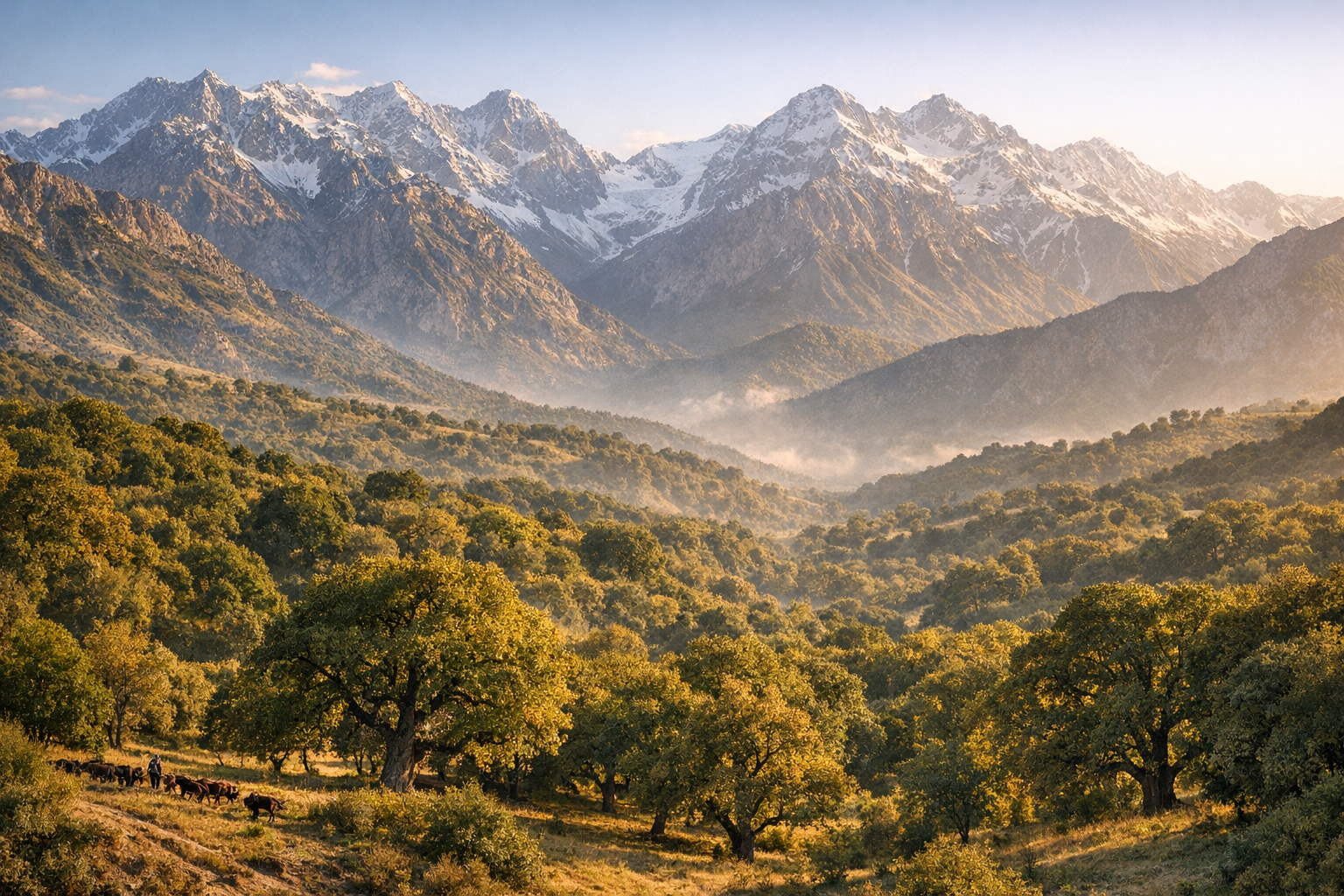
Introduction to Arslanbob's Enchanted Forest
Deep in the heart of Kyrgyzstan lies a natural wonder unparalleled in its beauty and historical significance: the wild walnut forests of Arslanbob. These ancient groves, believed to be the world's largest natural walnut forest, extend over more than 11,000 hectares. The forests are nestled within the foothills of the majestic Babash Ata mountains, part of the vast Tian Shan range known for its breathtaking landscapes, rugged terrains, and serene beauty. The region is steeped in history, dating back over a millennia, with the forests playing a pivotal role in the lives of the local communities by providing sustenance and economic livelihood.
Arslanbob's walnut forests are not just remarkable for their natural beauty, but also for their cultural and historical importance. Records suggest that Alexander the Great's armies tasted walnuts from these very forests and took them back to Greece. This captivating aspect ties Arslanbob's history directly to one of the world's most legendary historical figures, embedding these forests into the annals of time. Additionally, the word 'Arslanbob' itself finds its roots in Turkic languages; 'Arslan' meaning 'lion' and 'Bob' meaning 'elder,' a name that pays homage to the area's historical grandeur and the strength of its natural bounty.
This region thrived as a key segment of the ancient Silk Road, serving as a resting place and resupply point for traders. The forests also provided valuable walnut timber and nuts for trading. These interactions fostered rich agriculture and trade that significantly contributed to the cultural tapestry of the region, incorporating diverse influences from travelers who once trekked through these paths.
Local communities have deeply intertwined their lives with the forests, relying on them for wood, food, and fodder for centuries. This bond has fostered unique cultural practices, including the revered annual walnut harvest, where families collect the bountiful produce, preserving millennia-old traditions. Each autumn, the harvest becomes a vibrant event with communal suppers, local music, and traditional Kyrgyz hospitality, weaving the social fabric tighter and celebrating the shared heritage and prosperity the forests grant. Understanding the cultural and historical context of Arslanbob’s walnut forests offers not just an immersive travel experience but also a journey through one of nature’s most ancient partnerships with humankind.
Practical Logistics, Safety Protocols & Cultural Etiquette
Navigating the logistics of a journey to Arslanbob requires meticulous planning. Accessibility is primarily via the city of Osh, approximately 200 kilometers away. Marshrutkas (shared minibuses) provide an economical option for transport, with fares around 350-400 KGS Som per person. Private taxis are also available, though at a higher cost of about 2,500-3,000 KGS Som for direct services. Trekking tours can be arranged through local CBT (Community-Based Tourism) offices, which offer guided treks and cultural itineraries.
Visitors should be aware of seasonal timing, as ideal travel times are from June to September, when the weather is most favorable. Permits are generally not required for the primary trails in Arslanbob, but those wishing to explore beyond should check with local authorities, as some border zones may require specific permits. Travelers need to prepare for altitude-related challenges, with elevations ranging from 1,600 to over 2,000 meters. Acclimatization in Osh, spending a day or two before ascending to Arslanbob, is beneficial.
Yurt stays offer a culturally immersive accommodation experience, providing an opportunity to engage in local customs. These traditional dwellings serve as basic yet comfortable lodgings and an avenue to dive deeper into Kyrgyz hospitality. Guests should respect local customs, such as removing shoes before entering and adhering to meal protocols, typically beginning with a toast of traditional kumis (fermented mare’s milk) during festive occasions.
Don't forget basic safety protocols in this remote wilderness. Communicate your plans to a trusted source if undertaking a solo trek, and always aim to return to your lodgings before dark unless camping in authorized areas. Traditional Kyrgyz etiquette emphasizes respectful interactions, especially with elders. Using simple phrases like “Rakhmat” (Thank you) and “Salamatsyzdarby” (Hello) fosters goodwill and acknowledges the rich gestures of hospitality extended by locals.
Arslanbob’s walnut forests are a treasure trove of biodiversity, home to various species of flora and fauna unique to this region. The heartbreaking beauty of these forests lies in their ability to sustain diverse ecosystems, providing natural habitats to indigenous wildlife like foxes, wolves, and eagles.
A hallmark of traveling to Arslanbob is the engaging local culture. Participating in the walnut harvest allows visitors a genuine taste of Kyrgyz culture, where community collaboration is celebrated through shared meals, age-old songs, and cherished folk dances set against the autumn backdrop.
CBT development initiatives in Arslanbob focus heavily on sustainable tourism. By engaging with these programs, travelers contribute to conservation efforts and community empowerment, ensuring the protection of these ancient walnut trees while fostering economic stability through eco-conscious tourism.
Frequently Asked Questions About the Wild Walnut Forests of Arslanbob
How can I reach the walnut forests of Arslanbob?
To reach Arslanbob, travelers commonly start from Osh. From there, marshrutkas or shared taxis provide connections, taking approximately 4-5 hours. For more convenience, private transfers are available, providing direct transit to the village and its forests.
What are the costs associated with visiting Arslanbob?
Expect to spend approximately 350-400 KGS Som for public transport from Osh. Accommodation in guesthouses or yurts can range from 1,200 to 3,000 KGS Som per night. Meals typically cost between 200-300 KGS Som each at local eateries, providing an affordable travel experience.
What should I pack for a trek through Arslanbob?
Packing essentials include sturdy hiking boots, seasonal clothing suitable for temperature fluctuations, rain gear, and a water purification system. A detailed map, first aid supplies, and sufficient high-energy snacks will enhance your preparedness for unforeseen circumstances.
Plan Your Kyrgyzstan Wilderness Expedition
Ready to explore the untamed Tian Shan mountains? Contact the Wild Kyrgyzstan team at wildinkyrgyzstan.com to book your custom guided trek or explore our self-guided expedition itineraries.