Exploring Soviet Architecture and Monuments in Bishkek: A Comprehensive Guide
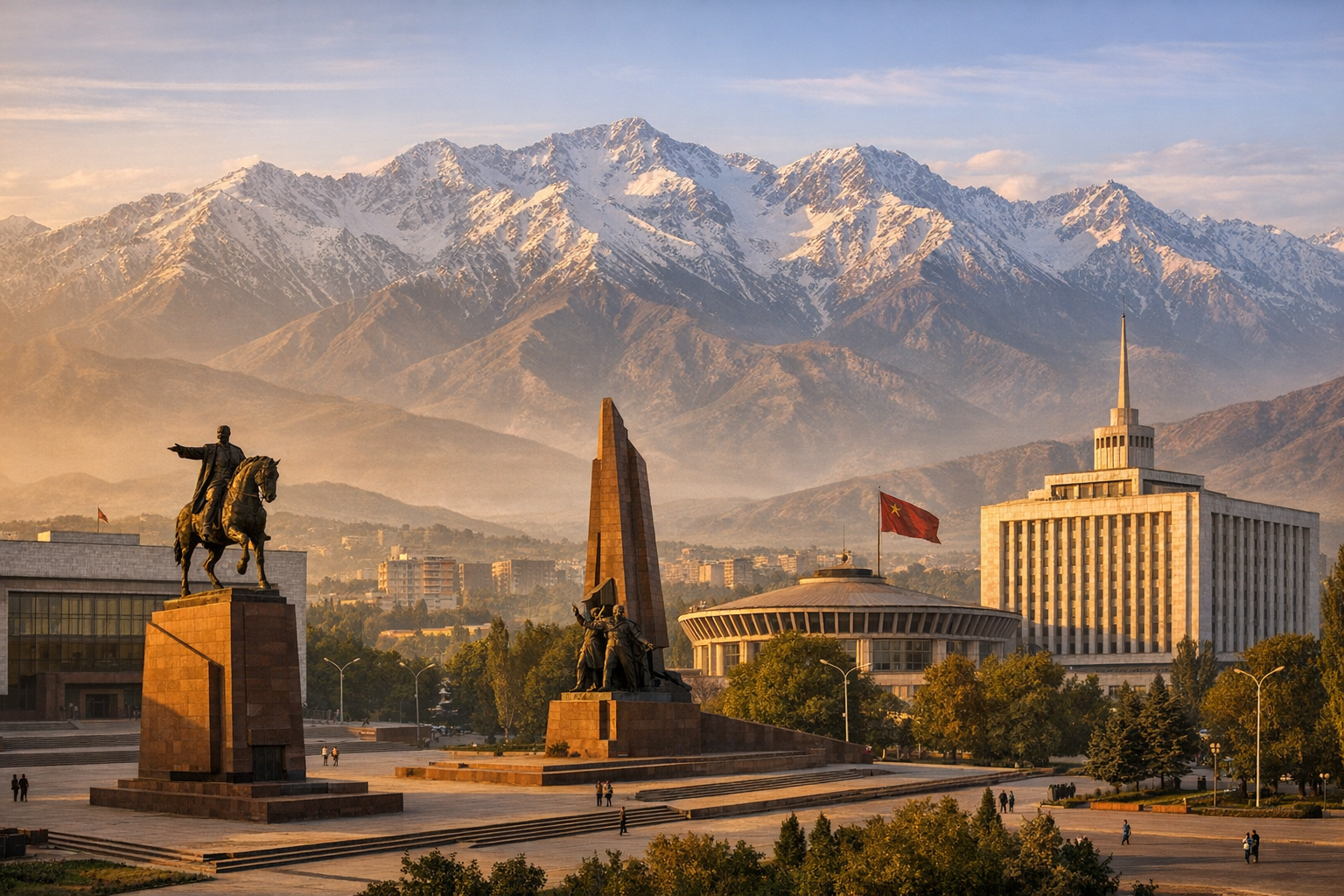
The Soviet Legacy in Bishkek: An Introduction
Bishkek, the capital of Kyrgyzstan, is a city where Soviet architectural legacy and nomadic culture intersect, offering a unique tapestry for those intrigued by history and design. Originally founded as Pishpek during the Russian Empire in the 19th century, it grew substantially under Soviet rule. The name 'Bishkek' is thought to derive from a tool used to churn kumis, reflecting its deep-seated nomadic roots. Following the Soviet Union's dissolution in 1991, Bishkek became the capital of Kyrgyzstan, but remnants of its Soviet past are deeply embedded throughout the city.
The streets of Bishkek are lined with a variety of monumental Soviet architecture—towering buildings, grand squares, and intricate mosaics—that tell stories of a bygone era. The influence of Soviet architecture can be seen in the monumental designs, echoed in the functional and utilitarian structures that highlight strength, permanence, and an ideological narrative. These buildings were constructed not just as functional spaces, but as symbols of Soviet power and progress.
One of the significant features of Soviet architecture in Bishkek is its emphasis on public spaces, characterized by wide boulevards and expansive squares designed for public gatherings and parades. Ala-Too Square is at the heart of this, an immense open space framed by government offices and historical monuments. Mikhail Frunze, a city native and a famous Bolshevik leader, is immortalized in a number of statues, cementing his historical significance.
Today, Bishkek’s Soviet structures offer an architectural dialogue between past and present, providing visitors fascinating insights into Kyrgyzstan's socio-political evolution. In this landscape, you can explore the intertwining of Soviet uniformity and Kyrgyz culture, creating a distinctly unique architectural tapestry. Whether you are a history enthusiast, an architecture lover, or simply curious about Kyrgyzstan’s past, Bishkek's Soviet monuments provide a captivating journey through time.
Practical Logistics, Safety Protocols & Cultural Etiquette
For adventurers planning a visit to Bishkek's Soviet architecture, understanding the logistical and cultural dynamics can greatly enrich the experience. The best time to explore is during the spring and autumn months when the weather is mild, and the city’s charm is at its peak. Winter visits, though cold, offer the opportunity to see snow-blanketed monuments, adding a layer of serenity to the structures.
It's advisable to carry a map or use GPS navigation, as many of these sites are located in densely packed urban areas. Most landmarks are within walking distance from each other, making self-guided tours feasible and enjoyable. For longer distances, marshrutkas—shared minivan taxis—provide an economical and authentic way to travel across the city, with fares ranging from 10 to 15 KGS Som.
Staying culturally respectful is paramount, especially as you visit sites that hold significant historical and emotional weight. While photography is generally permitted, it’s essential to be mindful of locations where locals gather to pay respect to their past. Always ask permission before taking photos of individuals or when in doubt, and avoid disturbing any local ceremonies or gatherings.
Among the practical needs, bringing a reusable water bottle and snacks is advised, particularly if you plan to spend a day visiting multiple sites. While there are cafes dotted around the city, such provisions help maintain energy levels and ensure sustainability. For those keen on deeper engagement, hiring a local guide through CBT (Community Based Tourism) offers enriched narratives, bridging the gap between visual exploration and historical context.
Engage with local guides to deepen your understanding of Soviet-era influences. CBT tours offer insightful narratives that enhance historical appreciation.
Respect cultural sensitivities by asking for permissions for photography in sensitive areas and avoiding disruption of local activities.
Incorporating a visit to the Bishkek Circus during your tour can offer a unique perspective on how Soviet architecture harmonized with local entertainment.
Frequently Asked Questions About Soviet Architecture and Monuments in Bishkek
What is the best way to explore Bishkek’s Soviet architecture?
Walking or biking through Bishkek provides an immersive experience, as most monuments are centrally located around Ala-Too Square. A guided tour, especially with a local historian, can offer unique insights into each site's historical context.
Are there any costs associated with visiting these monuments?
Many of the outdoor Soviet monuments in Bishkek are free to view. However, entrance fees for museums such as the State History Museum might range from 150 to 200 KGS Som, and guided tours could be additional.
What should I wear while visiting these sites?
Comfortable clothing and footwear are recommended as you’ll be walking a lot. If you visit religious sites or monuments during winter, layers with a warm jacket are necessary. Always consider cultural norms by avoiding overly revealing attire.
Plan Your Kyrgyzstan Wilderness Expedition
Ready to explore the untamed Tian Shan mountains? Contact the Wild Kyrgyzstan team at wildinkyrgyzstan.com to book your custom guided trek or explore our self-guided expedition itineraries.