Exploring Traditional Kyrgyz Wedding Customs and Family Structure
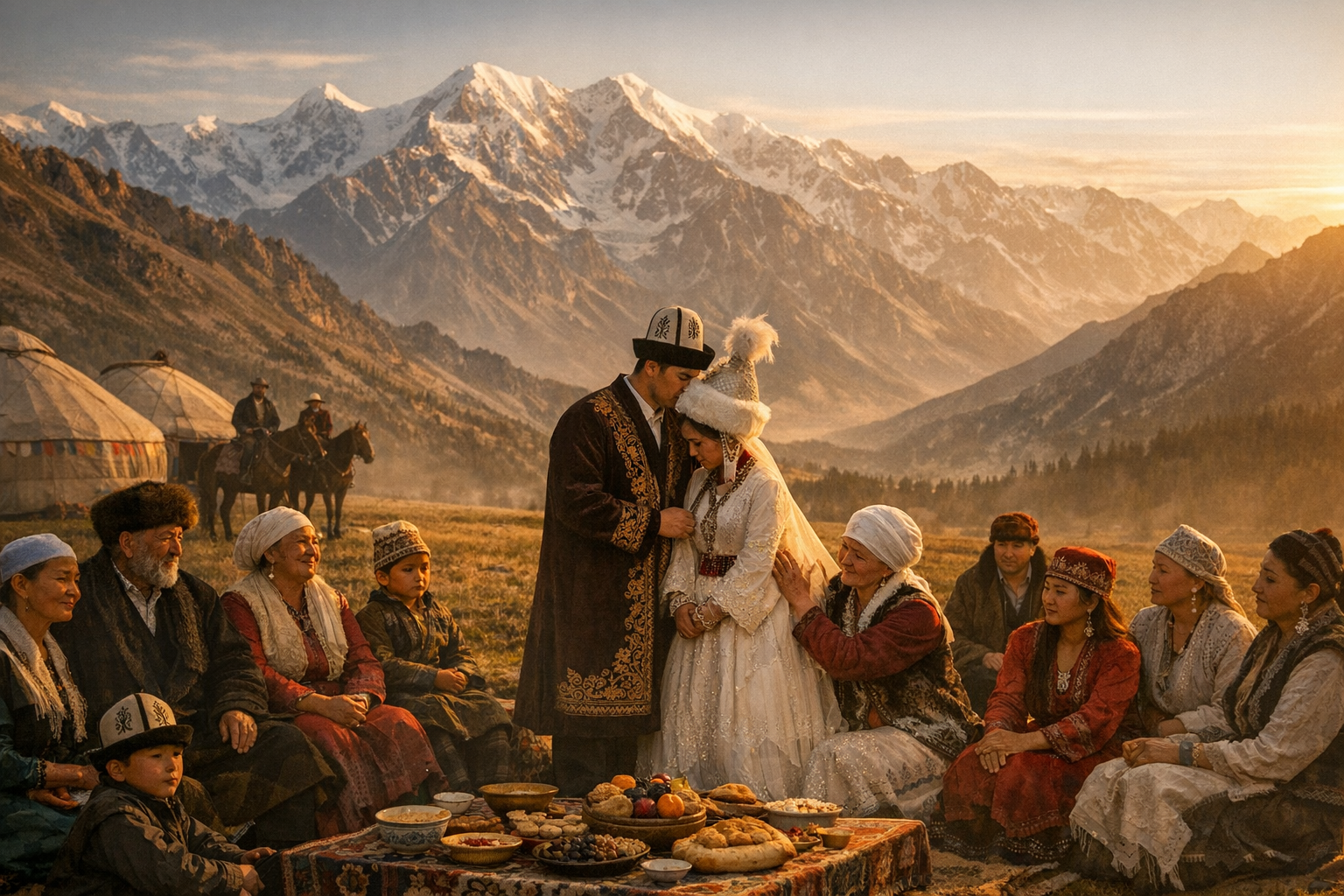
Unveiling the Rich Tapestry of Kyrgyz Wedding Traditions
A journey through the traditions of a Kyrgyz wedding is an exploration of centuries-old cultural practices that are deeply rooted in the heart of Central Asia. Kyrgyzstan, a nation known for its breathtaking landscapes and nomadic heritage, offers a rich tapestry of wedding customs that reflect the symbiosis of history and modernity. The Kyrgyz people, predominantly of Turkic origin, have been shaped by various cultural influences over the centuries, including Persian, Russian, and Islamic traditions. These rich interactions have contributed to the unique set of customs observed during marriages. Weddings in Kyrgyzstan are community-centered, involving elaborate ceremonies that emphasize the significance of familial ties and social connections.
Understanding the geographical setting is crucial to appreciating these customs. Kyrgyzstan is a landlocked country, nestled among the towering peaks of the Tian Shan mountains. Its landscapes, punctuated by sprawling jailoos (summer pastures) and serene turquoise lakes such as Son-Kul, provide a picturesque backdrop for wedding celebrations that often extend over several days. The intimate relationship between the Kyrgyz people and their environment is reflected in many aspects of their cultural practices, including marriage.
At the epicenter of a Kyrgyz wedding lies the concept of uruu (clan), which dictates familial roles and responsibilities. A typical Kyrgyz marriage often involves the entire community, from the initial matchmaking process to the final celebrations. Various rituals such as the kyz uzatuu (bride's farewell) and ala kachuu (bride kidnapping) – a controversial practice now largely symbolic or staged by consent – illustrate the complex interplay of tradition and evolving social norms.
These customs are not merely ceremonial; they bind family structures and social frameworks tightly, providing insights into the Kyrgyz way of life. As we delve into each segment of these wedding rituals, visitors can gain a deeper understanding of Kyrgyz community and identity, setting the stage for an enriching cultural journey.
Practical Logistics, Safety Protocols & Cultural Etiquette
When planning to attend or participate in a traditional Kyrgyz wedding, understanding the logistic details is essential. Weddings can last several days, with fluctuating schedules depending on local customs and family preferences. Typically, you'll begin by arranging travel to Kyrgyzstan, with most international visitors arriving via Manas International Airport in Bishkek, the capital.
Transportation within Kyrgyzstan relies heavily on marshrutkas (shared minibuses) and taxis, which offer affordable means of travel. It is also common to use horse trekking or yurt accommodations in rural areas, especially when attending weddings in remote villages. Budgeting for transportation, accommodation, and gifts is vital, with costs varying based on the season. As of recent estimates, domestic travel might cost around 500 to 1,000 KGS Som per day.
Cultural etiquette is just as pivotal as logistical planning. When attending a wedding, it's essential to dress modestly and respectfully. Understanding phrases like "rahmat" (thank you) or "kani jurtum" (welcome) can enhance interactions with locals, demonstrating respect and willingness to engage.
Being mindful of attitudes towards photographs is crucial. Always seek permission before taking photos, particularly of ceremonial aspects. Observing local customs around dining and greeting ceremonies reflects an understanding and respect for Kyrgyz hospitality – leaving food on your plate is considered wasteful, so take only what you intend to consume. Engaging with these practices will ensure a more enriching experience and foster deeper connections with local communities.
Understanding the significance of kalym, or the bride price, is critical when engaging with the Kyrgyz wedding process. It is not merely an economic transaction but a traditional demonstration of respect and valuation between families, underscoring the depth of familial relationships that define Kyrgyz culture.
Familiarize yourself with the different stages of the wedding tradition, such as kyz uzatuu and toi. Being aware of the sequence and significance of these events will provide insight into the communal and familial values that are celebrated during these dynamic ceremonies.
Be prepared for the social aspects of a Kyrgyz wedding. Bringing thoughtful gifts is customary, and actively participating in dances or singing can help bridge cultural gaps, offering a more immersive experience of Kyrgyz hospitality and communal joy.
Frequently Asked Questions About Traditional Kyrgyz Wedding Customs
What should visitors expect during a Kyrgyz wedding ceremony?
Visitors to a Kyrgyz wedding can expect a vibrant and culturally rich event, featuring traditional music, games like kok-boru, and an array of traditional foods. Guests are warmly welcomed and encouraged to participate in the festivities, which often last several days and involve multiple ceremonies.
How much does attending a Kyrgyz wedding typically cost, and how can one plan effectively?
Costs vary depending on location and duration but typically involve travel, accommodation, and gifts. Budget around 1,500 to 3,000 KGS Som for comprehensive involvement, including transportation and gifts. Planning your travel during non-peak seasons can also reduce costs.
What are the key cultural etiquettes to observe during a Kyrgyz wedding?
Key etiquettes include dressing modestly, being respectful and attentive, using right hand while offering or receiving anything, and speaking some polite phrases in Kyrgyz. Observing dining etiquettes, such as finishing your food and joining in communal activities, is essential for cultural integration.
Plan Your Kyrgyzstan Wilderness Expedition
Ready to explore the untamed Tian Shan mountains? Contact the Wild Kyrgyzstan team at wildinkyrgyzstan.com to book your custom guided trek or explore our self-guided expedition itineraries.