Discover Nomadic Hospitality Traditions Across Central Asia
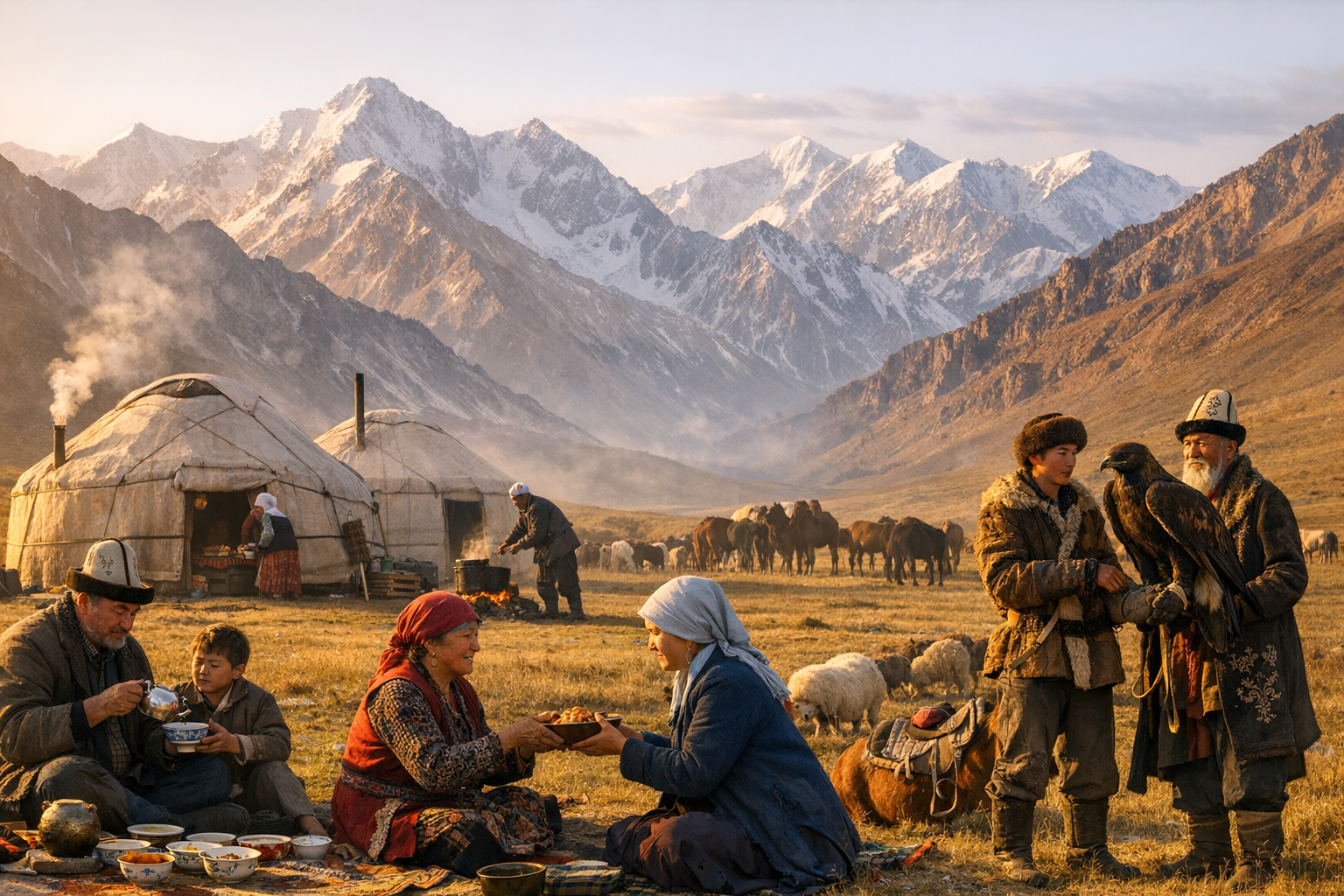
Introduction to Nomadic Hospitality in Central Asia
Central Asia, often referred to as the heart of the Silk Road, is a region rich with diverse cultures and ancient traditions. Among the most intriguing and time-honored practices is the nomadic hospitality that defines much of the communal living in these vast landscapes. In countries like Kyrgyzstan, Kazakhstan, Uzbekistan, Turkmenistan, and Tajikistan, hospitality is not simply a matter of etiquette but a deeply embedded cultural responsibility that has its roots in the nomadic way of life. Historically, the nomadic tribes of the Eurasian steppes have traversed these lands with herds of horses, yaks, and camels, relying heavily on mutual respect and support to endure the harsh environmental conditions. This deeply rooted sense of welcome and generosity, known as 'Konak' in Kazakh and 'Musafir' in Kyrgyz, elevates the guest to a special status, offering them security and honor. Often characterized by the ceremonial offering of tea, bread, and kumis (fermented mare's milk), the tradition of welcoming guests involves elaborate rituals and a unique blend of respect and reverence. For travelers exploring this region today, experiencing the genuine hospitality extended by nomadic families offers a rare glimpse into a way of life that has remained unchanged for centuries. With panoramic vistas of the Tian Shan and Pamir mountains as a backdrop, guests are invited to partake in traditional meals, folklore, and cultural exchanges that foster an enduring connection with the land and its people. This journey through nomadic hospitality traditions not only promises culturally rich encounters but also imparts invaluable insights into the simplicity and resilience of life on the steppes. Central Asia's vibrant landscapes and its people’s warm welcome beckon the adventurous at heart to explore a world where the door is always open and a stranger is merely a friend you haven't yet met.
Practical Logistics, Safety Protocols & Cultural Etiquette
To truly immerse oneself in the traditions of nomadic hospitality in Central Asia, a well-organized plan and respect for local customs are crucial. Visitors should be aware of seasonal variations, as winter can be particularly harsh. The optimal visiting time is generally from May to September when the weather is more accommodating for travel and outdoor activities. Permits may be required for visiting certain areas, especially those close to borders, so it is advisable to inquire ahead and use services like Community Based Tourism (CBT) for trustworthy guidance. When visiting a yurt, where traditions thrive, remember to partake in the etiquette of removing your shoes before entering and accept offerings such as tea or kumis graciously, as refusal may be considered impolite. Transportation across these sprawling landscapes is commonly done via marshrutkas or taxis, and it's wise to agree on a fare beforehand—usually quoted in Kyrgyzstani Som. Water purification tablets are recommended due to the remote nature of travel, along with dressing in layers to manage fluctuating temperatures. For accommodations, consider yurt stays with local families, a uniquely immersive experience offering insights into daily nomadic life. Remember, generosity here is mutual; small tokens of appreciation, such as a shared meal or a simple gift for a host, can enrich the encounter. Understanding regional etiquette, like how to participate in a 'beshbarmak' meal with your fingers and the importance of offering a small blessing before meals, can also enhance your interactions and appreciation for these timeless traditions.
When visiting a traditional yurt, always remember to remove your shoes before entering and sit where you are directed; this shows respect for the host's home.
Master the local phrases such as 'Rahmat' (thank you) and 'Salamatsyzby' (hello) to foster connections and show respect towards the community.
Participate in local festivals or gatherings where you can experience traditions like 'Kok-boru' games or eagle hunting demonstrations firsthand, enhancing cultural understanding.
Frequently Asked Questions About Nomadic Hospitality Traditions Across Central Asia
What is the best time to experience nomadic hospitality in Central Asia?
The ideal time for experiencing nomadic hospitality across Central Asia is from May to September. During these months, the climate is milder, allowing for comfortable travel through the region. Spring and early autumn also offer vibrant landscapes and cultural festivals, providing ample opportunities to join in local celebrations and community gatherings.
How much should I budget for accommodations and meals with local families?
Accommodations with local families in yurts typically cost between 500 to 1200 KGS per night, inclusive of meals like 'beshbarmak' or 'plov'. Meals offered during your stay are often part of the experience, showcasing traditional dishes and the warmth of the host's hospitality. It's a good practice to bring small gifts or offer to share a meal as a gesture of appreciation.
What should I pack for a trip exploring nomadic hospitality across Central Asia?
When preparing for a journey across Central Asia, pack versatile clothing for layering to adapt to varying temperatures. Essential items include a reliable water purifier, walking boots for rugged terrain, and a phrasebook for learning basic local greetings. Consider carrying small gifts or local specialties from your home country to present to hosts, fostering goodwill and cultural exchange.
Plan Your Kyrgyzstan Wilderness Expedition
Ready to explore the untamed Tian Shan mountains? Contact the Wild Kyrgyzstan team at wildinkyrgyzstan.com to book your custom guided trek or explore our self-guided expedition itineraries.