Discover Ethno Village Life in Chon Kemin Valley
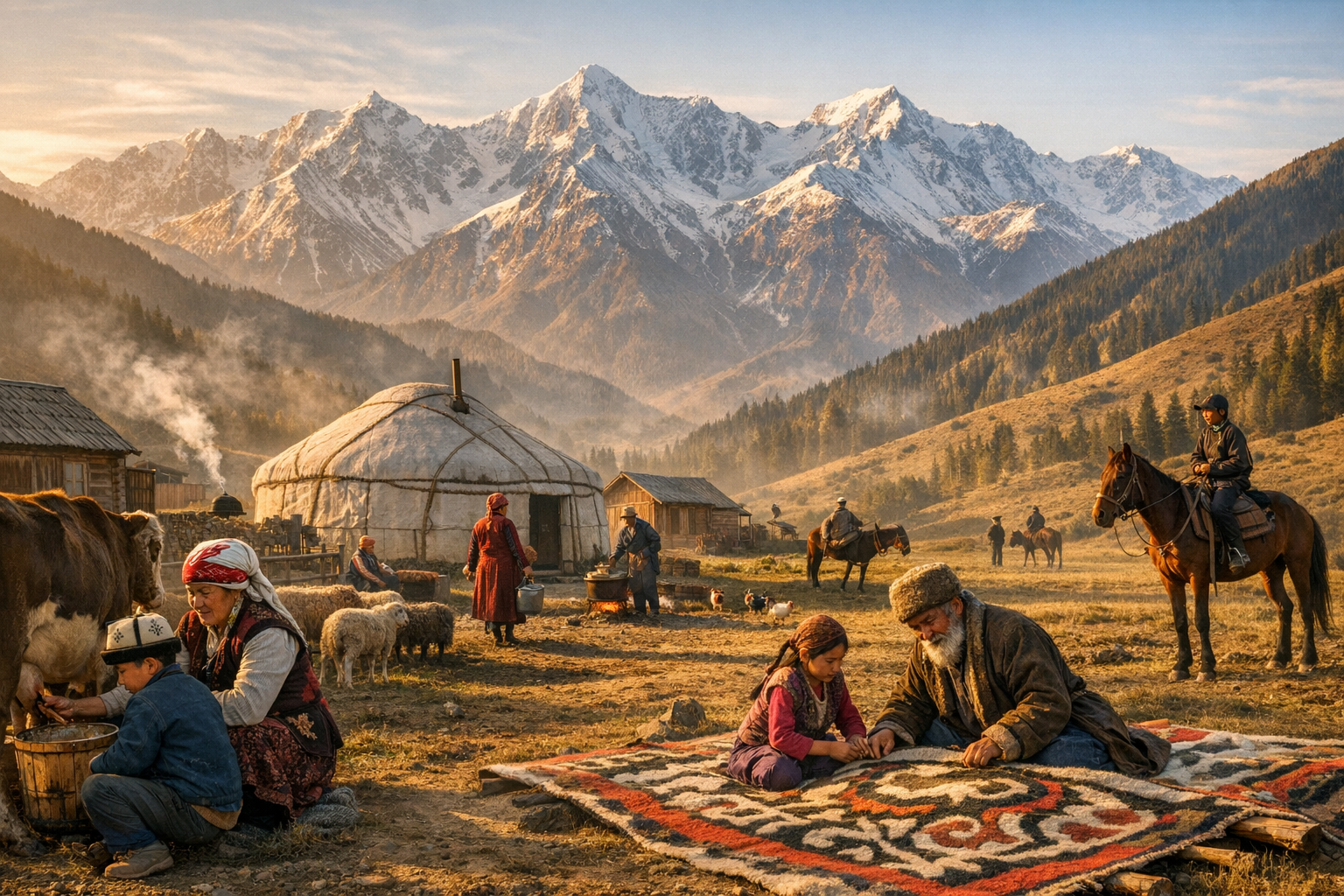
Introduction to Chon Kemin's Ethno Village Life
Nestled in the heart of Kyrgyzstan, the Chon Kemin Valley offers an authentic window into the traditional village life that has flourished for centuries. A vital part of the cultural tapestry, these villages embody the spirit of the nomadic lifestyle, characterized by their unique customs, traditional architecture, and vibrant living practices. Chon Kemin is not only a valley but a living history book illustrating the synergy between the Kyrgyz people and their natural environment. Historically, the region has served as a strategic location for trade and migration, connecting Central Asia's vast landscapes.
Experiencing the ethno villages of Chon Kemin means immersing oneself in a world where modern conveniences fade into the backdrop of nomadic traditions. Here, life is centered around communal living, with yurts dotting the landscape and kumis—a fermented mare’s milk drink—flowing freely in social gatherings. These traditions are not just preserved; they are celebrated daily by local inhabitants who balance between maintaining historical practices and embracing modernity.
Geographically, the valley spans over 500,000 hectares and is bordered by the majestic Tian Shan mountains. This makes it a physically isolated and visually stunning area prone to weather variations that change the scenery dramatically through the seasons. The landscape is painted with lush green pastures in the summer that transform into a white winter wonderland. The native villages are perched alongside the Chon Kemin River, serving as gateways to some of the most breathtaking natural scenery available.
The vibrancy of village life here is complemented by local festivals and mountain sports such as kok-boru—a traditional horseback game. From culinary experiences centered on Kyrgyz traditional foods to the intricate craft of shyrdak felt rugs, Chon Kemin offers an immersive tapestry of experiences waiting to be explored by curious travelers. Engaging with this unique setting provides an incredible opportunity to learn, grow, and appreciate a culture that thrives on its historical roots while inviting the world to understand its warmth and generosity.
Practical Logistics, Safety Protocols & Cultural Etiquette
Traveling in Chon Kemin Valley involves navigating logistical details that ensure both safety and enjoyment. The optimal season for visiting lies between late spring and early autumn, where the weather presents a comfortable climate for outdoor activities. During this period, trails are more accessible, making treks and village tours feasible without the hindrance of snow.
Upon arrival, securing the necessary permits for exploring specific zones such as border areas is essential. While most village areas are freely accessible, certain high-altitude trekking zones require border zone passes obtainable through local authorities or arranged through Community Based Tourism (CBT) organizations.
Water purification is a critical aspect to address during your stay. While village wells provide water for everyday use, personal purification systems or reliable water filters ensure safe drinking options during treks. Altitude preparation cannot be overstated as the initial stages of trekking may rise significantly, simulating conditions that can cause altitude sickness.
Staying in a yurt is often a highlight for many visitors, offering a glimpse into a traditional nomadic lifestyle. Understanding the etiquette around yurt stays is vital—such as removing shoes before entering, sitting on the floor following local customs, and certain seating arrangements to observe social hierarchy within a yurt.
Transport across Chon Kemin requires familiarity with marshrutkas—local minivans that connect villagers to major towns. It's a cost-effective form of movement, with prices generally ranging from 150-200 KGS Som depending on the distance. Travelers are encouraged to carry cash in smaller denominations as electronic payments are rarely accepted in remote regions.
Embracing local customs significantly enriches the travel experience. Basic Kyrgyz phrases such as "Salamatsyzby" (hello) are warmly received and demonstrate respect for local culture. Understanding these customs not only facilitates smoother interactions but also establishes connections grounded in mutual respect and appreciation.
As you explore the valley's rich terrain, a key highlight is the opportunity to participate in local festivals that showcase traditional music, dance, and crafts. These events are usually held in summer and offer insight into the communal spirit of the Kyrgyz people.
Another standout feature of Chon Kemin is the chance to engage in horseback trekking—a core aspect of nomadic culture. Visitors can learn basic horse riding skills and explore scenic trails with the guidance of experienced local horsemen.
Visitors mustn't miss the culinary delights of the valley, from tasting 'Beshbarmak' (a traditional Kyrgyz dish) to savoring freshly baked 'nan' bread. Culinary experiences are intrinsic and are often shared communally, enriching the cultural exchange.
Frequently Asked Questions About Ethno Village Life in Chon Kemin Valley
What should I pack for a cultural trip to Chon Kemin Valley?
Pack versatile clothing suitable for temperature fluctuations; layers are key. Include sturdy footwear for trekking, woolen items for warmth, and a comprehensive travel kit with essentials like a first-aid kit, water filter, and personal hygiene products.
How do I arrange accommodations while visiting the valley?
Booking accommodation can be arranged through CBT organizations, which provide yurt stays and home-stay options with local families. Pricing for yurt stays typically ranges between 800-1200 KGS Som per night, including meals.
What are the safety precautions needed for high-altitude treks?
Ensure gradual acclimatization by beginning with lower altitude treks. Stay hydrated, carry altitude sickness medications, and heed local guide advice. Monitoring symptoms of altitude sickness and resting when needed are crucial for safety.
Plan Your Kyrgyzstan Wilderness Expedition
Ready to explore the untamed Tian Shan mountains? Contact the Wild Kyrgyzstan team at wildinkyrgyzstan.com to book your custom guided trek or explore our self-guided expedition itineraries.