Post-Soviet Transition and Cultural Rebirth in Kyrgyzstan: An In-Depth Exploration
Introduction to Kyrgyzstan's Cultural Rebirth
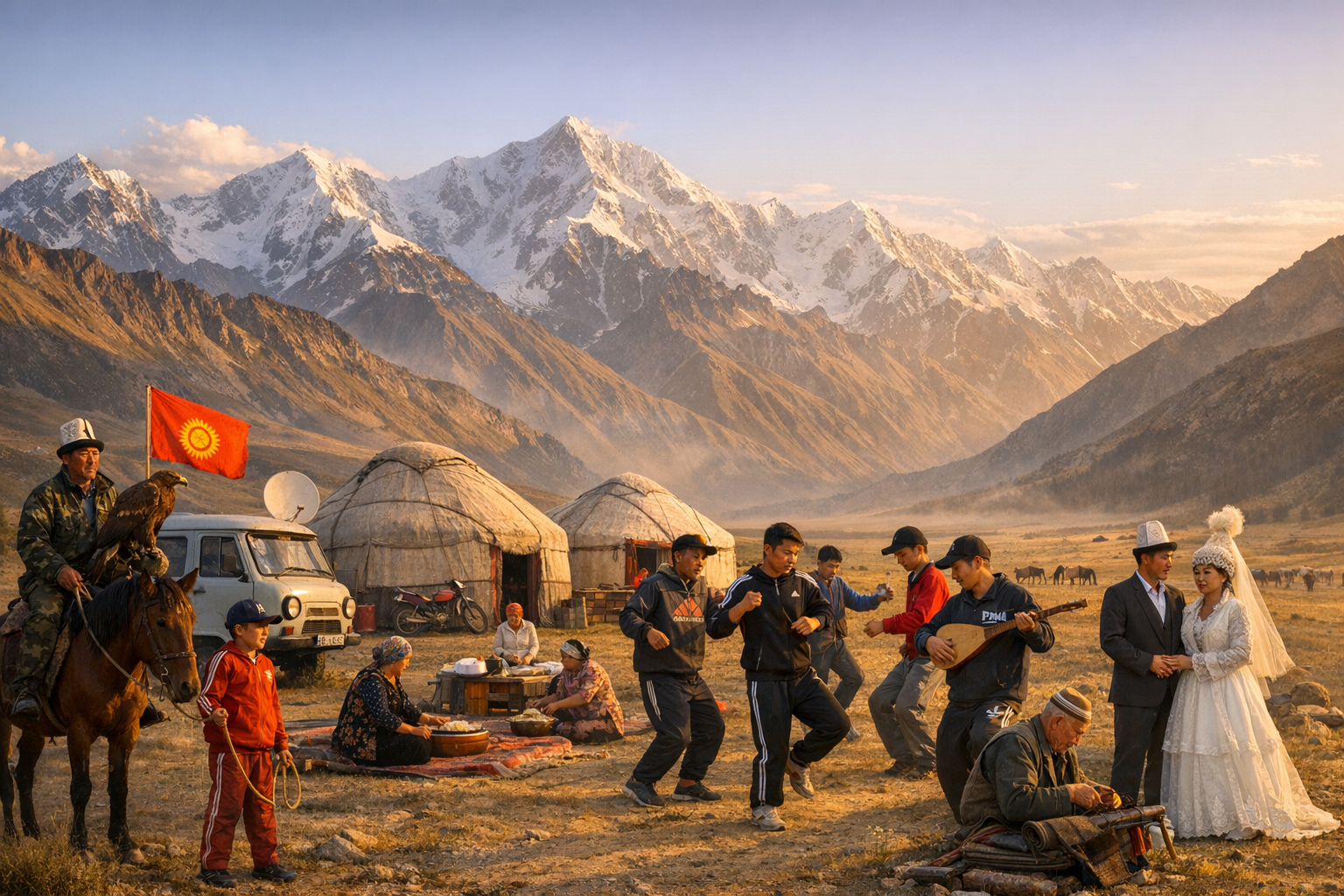
Kyrgyzstan’s post-Soviet history is a testament to resilience and cultural renaissance. Nestled in Central Asia, Kyrgyzstan was part of the Soviet Union until 1991, an era that significantly influenced its socio-economic landscape. However, after gaining independence, the country embarked on reinventing its identity, embracing a revival of traditional customs, national pride, and linguistic heritage. The towering Tian Shan mountains serve not only as a formidable geographical landmark but also as a bastion of the Kyrgyz people's enduring spirit.
Culturally rich and geographically diverse, Kyrgyzstan is home to the majestic Ala-Kul lake and expansive jailoos, where nomadic traditions continue to thrive. These summer pastures have become symbolic of the freedom and resilience of the Kyrgyz people. With the fall of Soviet rule, there was a significant push towards revitalizing native practices, such as the kumis tradition, unique yurt craftsmanship, and festivals like the World Nomad Games, showcasing kok-boru, a traditional horseback sport.
During this transition phase, the inhabitants worked meticulously to reclaim linguistic and cultural authority. The Kyrgyz language replaced Russian as the state language, an act symbolizing the national spirit's triumph. This era also witnessed a renaissance in felt-making, with shyrdak rugs becoming emblematic of Kyrgyz artistic expression, often reflecting stories of heritage and folklore.
Through community-based tourism (CBT), Kyrgyzstan has also managed to tie the threads of economic development and cultural preservation. As travelers seek authentic experiences, staying in yurts, interacting with eagle hunters in Bokonbaevo, and engaging in horse trekking adventures, they contribute to a sustainable model that respects and sustains Kyrgyz traditions while offering insights into the cultural rebirth of a nation that has embraced its past to define its future.
Practical Logistics, Safety Protocols & Cultural Etiquette
When planning your journey through Kyrgyzstan, understanding the logistics is key to a smooth expedition. Firstly, consider the best time to explore; late spring to early autumn (May to September) offers the most favorable weather conditions. Always check local forecasts to prepare for sudden weather shifts, particularly in mountainous regions.
Entry into the country typically requires no visa for many Western travelers, but always verify current regulations. If your expedition leads you to border zones, secure any necessary permits well in advance. This planning phase enhances safety and compliance with local laws.
Currency transactions predominantly use the KGS Som. Carry cash for rural areas where digital payment can be less reliable. Pre-trip budget estimates should account for all costs in Som, including local transport via marshrutkas—a cost-effective and culturally immersive way to travel.
Yurt stays are central to the authentic Kyrgyz experience. Prioritize understanding yurt etiquette; you may be invited to sit on the right-hand side, a position reserved for honored guests. Be respectful of traditions, such as the communal sharing of meals or the preparation of kumis, a fermented mare's milk offering.
Altitude preparation is crucial due to Kyrgyzstan's lofty landscapes. Gradual acclimatization and hydration are advised to mitigate altitude sickness risks. Always purify water from natural sources using lightweight sterilization tools.
An essential part of immersing in Kyrgyz culture is respecting local customs and dressing conservatively, particularly in remote villages. Engaging with Community Based Tourism (CBT) initiatives ensures your visit supports sustainable practices, benefiting local communities while allowing travelers a genuine cultural enrichment.
Engage in CBT tours for authentic cultural exchanges that benefit local communities and provide genuine insights into traditional Kyrgyz life.
Always have cash in KGS Som for transactions in more remote areas of Kyrgyzstan, as card payments are not universally accepted.
Participate respectfully in local customs during yurt stays, ensuring you adhere to traditions such as seating arrangements and communal meal sharing.
Frequently Asked Questions About Post-Soviet Transition and Cultural Rebirth in Kyrgyzstan
What are some examples of cultural traditions that have revived since Kyrgyzstan's independence?
Since gaining independence, Kyrgyzstan has experienced a revival of nomadic traditions such as yurt building, felt-making, and sports like kok-boru. The increase in local festivals celebrating traditional music and dance, along with the flourishing of the Kyrgyz language, highlight efforts to preserve cultural heritage. These traditions provide a glimpse into a vibrant legacy actively embraced by younger generations.
What is the cost of traveling in Kyrgyzstan, and what currency should I use?
Traveling in Kyrgyzstan is generally affordable, with daily costs ranging from 20 to 50 USD per person, depending on accommodations and activities. The local currency is the KGS Som, and it's best to carry cash, especially in rural areas. Major cities like Bishkek offer currency exchange services and ATMs for convenience.
How should travelers prepare for high-altitude conditions in Kyrgyzstan?
Travelers should gradually acclimatize to high altitudes by spending a few days in elevated areas before trekking. Staying hydrated and avoiding alcohol can help prevent altitude sickness. It's advisable to pack essentials like altitude sickness medication, water filters, and hydration packs to ensure a safe trekking experience.
Plan Your Kyrgyzstan Wilderness Expedition
Ready to explore the untamed Tian Shan mountains? Contact the Wild Kyrgyzstan team at wildinkyrgyzstan.com to book your custom guided trek or explore our self-guided expedition itineraries.