Explore the Enchanting Walnut Forests of Arslanbob: A Comprehensive Travel Guide
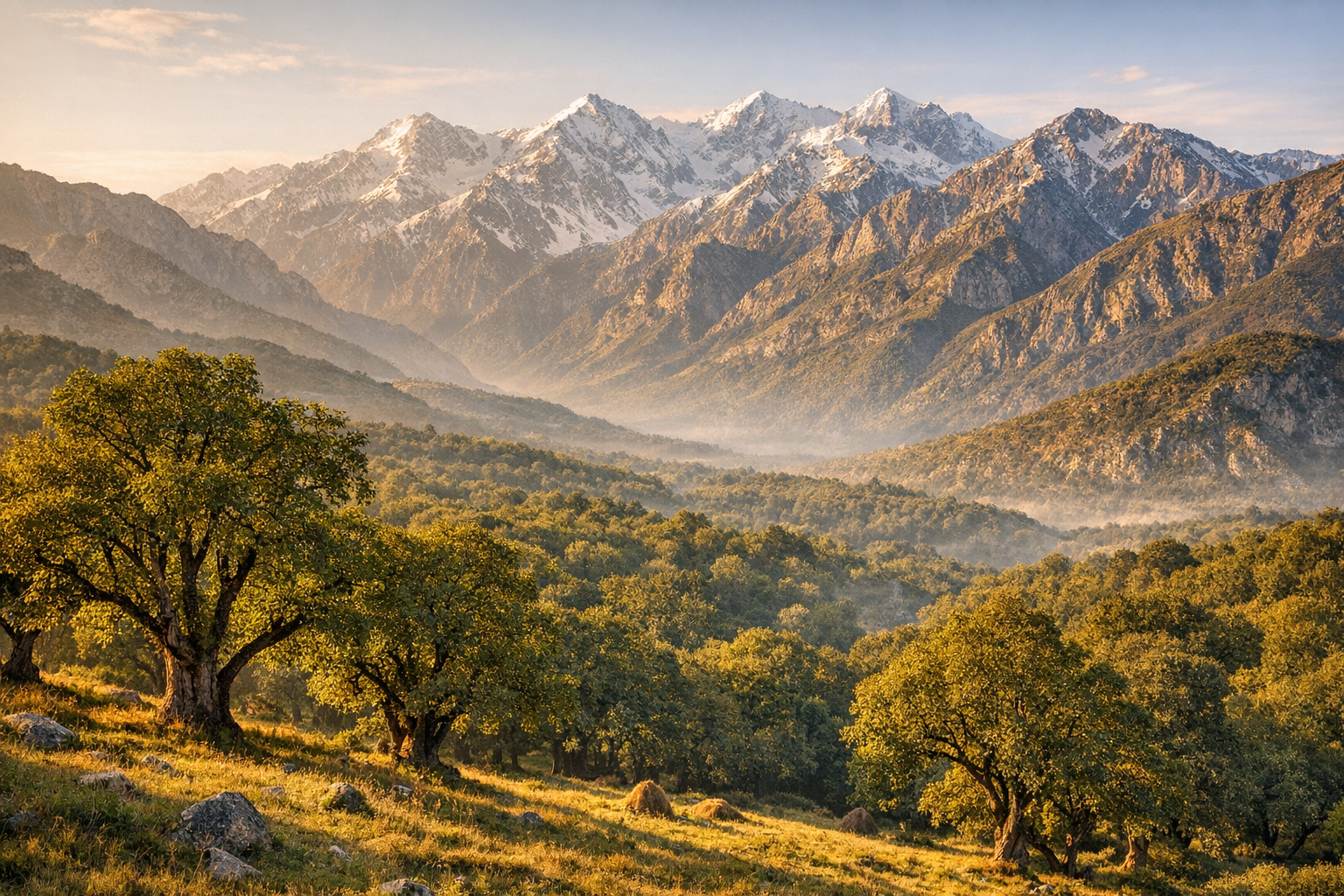
Introduction to the Arslanbob Walnut Forests
Nestled within the Kyrgyz Ala-Too mountain range, the Arslanbob walnut forest is a verdant oasis that captivates travelers with its lush greenery and historic significance. The forest spans over 11,000 hectares and is home to some of the world's oldest and largest natural walnut groves. This ecological sanctuary offers a unique glimpse into the area's cultural heritage and biodiversity. Originating centuries ago, these walnut trees have nurtured local communities, providing sustenance and a source of livelihood. The forest is not merely a geographical location but a cultural cornerstone where Kyrgyz traditions and daily life intertwine. Arslanbob, a serene village adjacent to these forests, serves as a gateway for adventurers and ecotourists seeking an authentic Kyrgyz experience. Here, travelers can witness the harmonious coexistence of man and nature, embedded deeply in local customs. As you embark on your journey into the Arslanbob walnut forests, you'll traverse terrain that steeply ascends from the fertile Fergana Valley. The region's unique microclimate, influenced by mountainous elevations and the proximity to the valley, creates optimal conditions for various flora and fauna, distinguishing it as an ecological treasure. Visitors are often awestruck by the sheer diversity of plant life, ancient walnut and fruit trees, and the sweeping vistas offering panoramic views of distant snow-capped peaks. Immersing in this landscape offers more than just a visual spectacle; it provides a spiritual and cultural journey, tracing the footsteps of Silk Road traders and shepherds who've navigated these paths for generations. For the modern traveler, Arslanbob presents an opportunity to engage with a living landscape that pulsates with history, biology, and human influence. Every step unveils stories concealed within the rustling of leaves and the whispering winds—a testimony to the delicate balance maintained across centuries.
Practical Logistics, Safety Protocols & Cultural Etiquette
Planning a successful expedition to the Arslanbob walnut forests involves a comprehensive understanding of logistics, safety, and cultural nuances. The best time to explore the forests is from May to October, when trails are accessible and the weather is most accommodating. However, each season offers its own unique vistas and experiences. Permits are generally not required to hike in the walnut forests, but checking with local CBT (Community Based Tourism) offices is advisable, especially for guided tours. If trekking during shoulder seasons, ensure to account for potential border zone passes, as the region borders Uzbekistan. Safety protocols should include preparedness for altitude effects, as transitions can be sudden and affect travelers with height sensitivity. Carrying water purification solutions is essential, given that natural water sources might not always be suitable for direct consumption. Adhering to traditional yurt stay etiquette is vital—remove shoes before entering, accept hospitality with gratitude, and partake in communal meals respectfully. Transport to Arslanbob is most accessible via marshrutkas from Osh or Jalal-Abad, costing approximately 300-500 KGS (Kyrgyz Som) one way. For those seeking convenience and local insight, booking through CBT Arslanbob is recommended, as they offer packages that bundle transport, accommodation, and guided exploration.
To get the most out of your Arslanbob adventure, consider hiring a local guide. Guides enrich journeys with their deep knowledge of the land, folklore, and biodiversity, offering insights not readily accessible through textbooks or travel websites. Their narratives of Silk Road history, ecological conservation practices, and personal anecdotes from nomadic life provide depth to the visitor's experience.
Packing wisely can dramatically enhance your journey. Essential items must include a robust hiking backpack, lightweight but insulating clothing layers, a basic first-aid kit, and portable charging solutions. Technology might be limited in remote areas, making rule-of-thumb navigation and emergency preparedness vital. For those visiting in cooler months, prioritize thermal wear and insulated sleeping bags for overnight yurt stays.
Participate in the unique agricultural festivals which occur throughout the harvest season. These not only allow travelers to witness traditional walnut gathering techniques but also immerse them in local celebrations full of music, dance, and culinary delights. These experiences contribute significantly to understanding the cultural fabric and encouraging sustainable tourism through active participation and support.
Frequently Asked Questions About the Arslanbob Walnut Forest
What is the best way to reach Arslanbob?
The most efficient route to Arslanbob is via marshrutka from Osh or Jalal-Abad. The journey typically takes 4-6 hours, costing around 300-500 KGS. There are also private car hire options for a quicker and more personalized experience. It's wise to contact CBT offices for assistance in arranging transport aligned with your itinerary.
When is the best time to visit the Arslanbob walnut forests?
The optimal visitation period is from May to October. During these months, trails are accessible and the weather is favorable. Summer offers lush greenery, while autumn provides spectacular colors as walnut harvests turn the landscape into a natural festival. Ensure accommodation is booked in advance during peak seasons to secure your preferred lodging.
What safety precautions should be taken when hiking in Arslanbob?
Travelers should be prepared for altitude changes and carry necessary medication if required. Water purification tablets or portable filters are essential for ensuring safe hydration. Ensure to stay on marked trails and inform someone of your itinerary when hiking solo. Carry a well-equipped first-aid kit and familiarize yourself with basic first-aid processes.
Plan Your Kyrgyzstan Wilderness Expedition
Ready to explore the untamed Tian Shan mountains? Contact the Wild Kyrgyzstan team at wildinkyrgyzstan.com to book your custom guided trek or explore our self-guided expedition itineraries.