Exploring the Nomadic Warfare and Archer Heritage of the Steppes
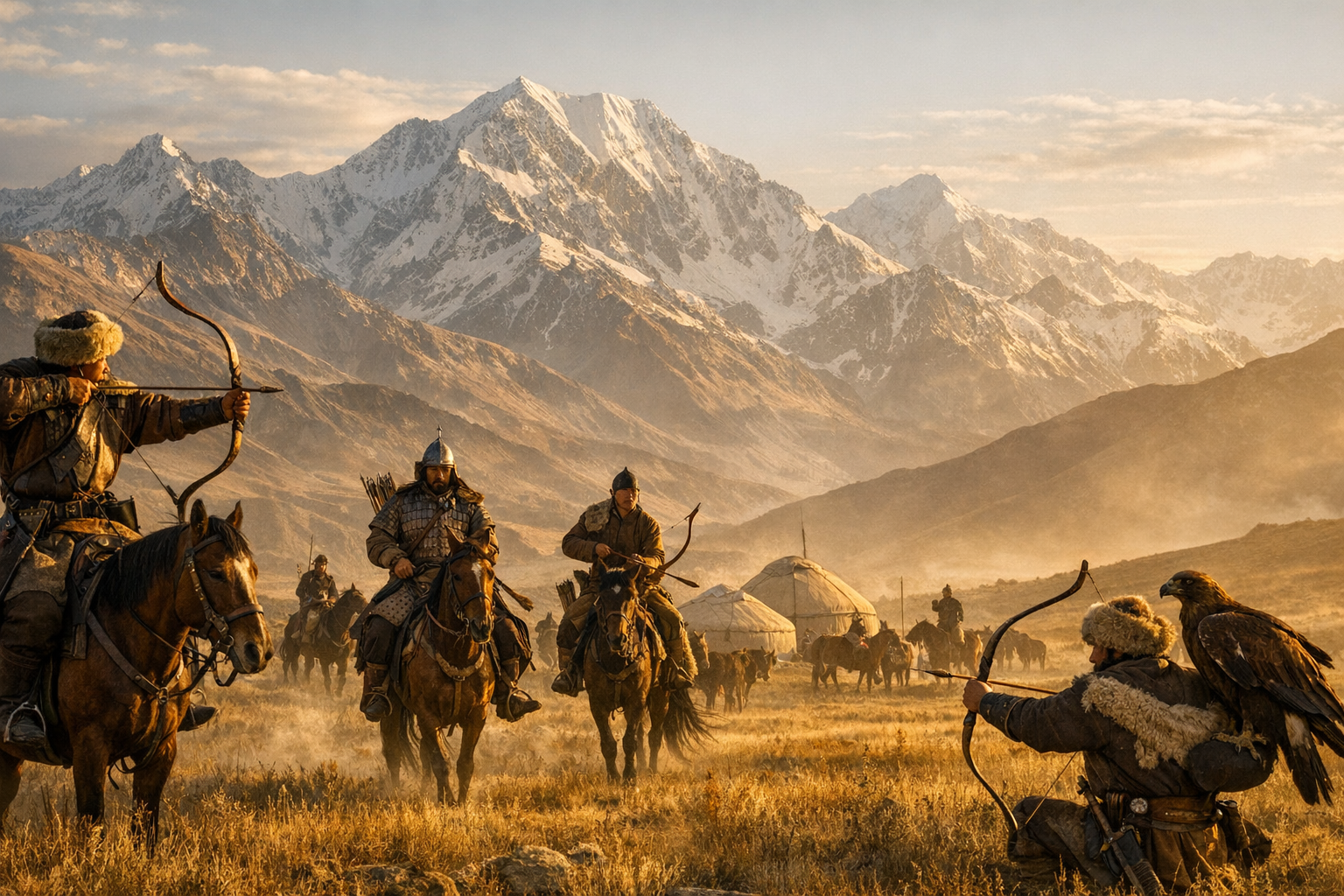
Introduction to Nomadic Warfare and Archer Heritage
The vast steppes of Central Asia, particularly Kyrgyzstan, are steeped in a rich history of nomadic warfare and archery. This terrain, stretching as far as the eye can see with its undulating hills and sprawling grasslands, provided an ideal proving ground for the legendary horsemen that once ruled these lands. Kyrgyz nomads, renowned for their adeptness in mounted warfare, have left a legacy that endures to this day. Their unique strategies and skills revolved around speed, maneuverability, and precision—traits that were honed by necessity in the harsh environments of the steppes. The indigenous term ‘beshsal’ refers to five main skills a warrior must master: riding, shooting, hunting, wrestling, and playing music. These skills are still celebrated in cultural festivals like the World Nomad Games.
Historically, the Kyrgyz and other nomadic groups, such as the Scythians and Turks, were known not only for their devastating raids but also for their resilience and adaptability, capable of countering larger, more structured armies of the settled civilizations. Their tactics evolved over centuries, fostering a warrior culture built on the intrinsic link between man and horse. The Tengriism belief system, which gave spiritual significance to the sky and natural elements, further underlined their endeavors. This deep connection to nature and their migratory lifestyle equipped them with unparalleled survival skills and a keen understanding of their environment.
Geographically, Kyrgyzstan is nestled between imposing mountain ranges like the Tian Shan, which means 'Celestial Mountains'. These ranges have shaped much of the country’s cultural and historical narrative, influencing how tribes formed, fought, and adapted. This harsh, yet beautiful wilderness was both shield and sword against adversaries, offering pathways of ambush and corridors of defense. It's no wonder that the bow and arrow became symbolic of the resourceful and resilient nature of the Kyrgyz warrior. This backdrop sets the stage for an immersive journey into the world of nomadic warfare and archery, inviting travelers to engage with history, culture, and the dramatic landscapes of Kyrgyzstan.
As you traverse these ancient lands, you'll encounter relics of the past and partake in experiences that bring this heritage to life. From exploring the remnants of historical battle sites to witnessing traditional archery exhibitions and riding across the magnificent jailoos (alpine meadows), the steppes offer a window into a vibrant cultural legacy. Whether you're an enthusiast of history, a lover of adventure, or someone keen on understanding nomadic cultures deeper, the steppes beckon you to explore the storied heritage of nomadic warfare and archery.
Practical Logistics, Safety Protocols & Cultural Etiquette
For a successful and culturally respectful expedition into the heart of Kyrgyzstan's nomadic heritage, meticulous planning and adherence to local customs are essential.
**Seasonal Timing and Climate**: Optimal times to visit are during the summer months, from June to September. At this time, the jailoos are accessible, and cultural festivals such as the At Chabysh horse races take place. Winters are harsh, making travel difficult and certain routes impassable.
**Permit Requirements and Documents**: While Kyrgyzstan is relatively lenient on permits, certain border areas in the Tian Shan range require special permission due to their proximity to other nations like China. To obtain these, apply through local administrative offices in cities such as Karakol, providing passport copies and a brief itinerary of your travel.
**Safety Protocols & Altitude Preparation**: Given the varying altitudes, acclimatization is crucial. Spend a few days in a mid-altitude town, such as Naryn, before ascending higher into the mountains. Carry essential medications for altitude sickness and hydrate regularly. The sudden and volatile weather means carrying layered clothing, offering protection against both sun and cold winds.
**Cultural Etiquette and Communication**: As guests in nomadic lands, understanding and respecting local customs is imperative. Learn basic Kyrgyz phrases such as 'salamat syzby' (hello) and always offer a greeting or smile when encountering locals. When staying in yurts, follow customs such as not stepping on the threshold and accepting offers of food and drink, which are signs of hospitality.
**Travel and Transport Costs**: Most travel within the regions is facilitated via marshrutkas or shared taxis. The cost from Bishkek to Karakol by marshrutka is approximately 500 KGS Som. Hiring a private guide for personalized treks ranges from 2,000 to 4,000 KGS Som per day, depending on the service quality and itinerary complexity.
Immerse yourself in history by visiting ancient battlefields and learning from local historians who recount the strategic significance of these sites and their roles in shaping Kyrgyzstan's cultural landscape.
Participate in hands-on workshops for crafting traditional Kyrgyz bows, utilizing locally sourced materials and learning the bow design's historical significance and functionality in warfare.
Experience the art of mounted archery with training sessions in Bokonbaevo, where skilled instructors provide guided practice on horseback, replicating the maneuvers of Kyrgyz warriors.
Frequently Asked Questions About Nomadic Warfare and Archer Heritage of the Steppes
What are the best regions in Kyrgyzstan to explore nomadic warfare history?
The Chüy Valley, Lake Issyk-Kul, and the Naryn region are prime areas for exploring nomadic warfare history. These areas offer access to historic sites, battlefields, and natural landscapes where warriors once trained and fought. Guided expeditions and local tours are available to provide context and enrich the historical experience.
What costs should I expect for a cultural expedition in Kyrgyzstan?
A cultural expedition in Kyrgyzstan can range from 10,000 to 50,000 KGS Som, depending on the itinerary length and luxury level. Expect expenses from local guides, gear rentals, accommodation, and transport via marshrutkas or private vehicles. Typically, guided tours offer more comprehensive packages that handle most logistics.
Is there a specific time of year that is best to visit the Kyrgyz steppes?
The best time to visit is between June and September when the weather is mild and the landscapes are accessible. During these months, cultural events like the World Nomad Games are held, offering vibrant displays of traditional skills and culture, making it ideal for travelers interested in experiencing authentic Kyrgyz customs and traditions.
Plan Your Kyrgyzstan Wilderness Expedition
Ready to explore the untamed Tian Shan mountains? Contact the Wild Kyrgyzstan team at wildinkyrgyzstan.com to book your custom guided trek or explore our self-guided expedition itineraries.