Discovering the Ancient Karakhanid Architecture of Kyrgyzstan
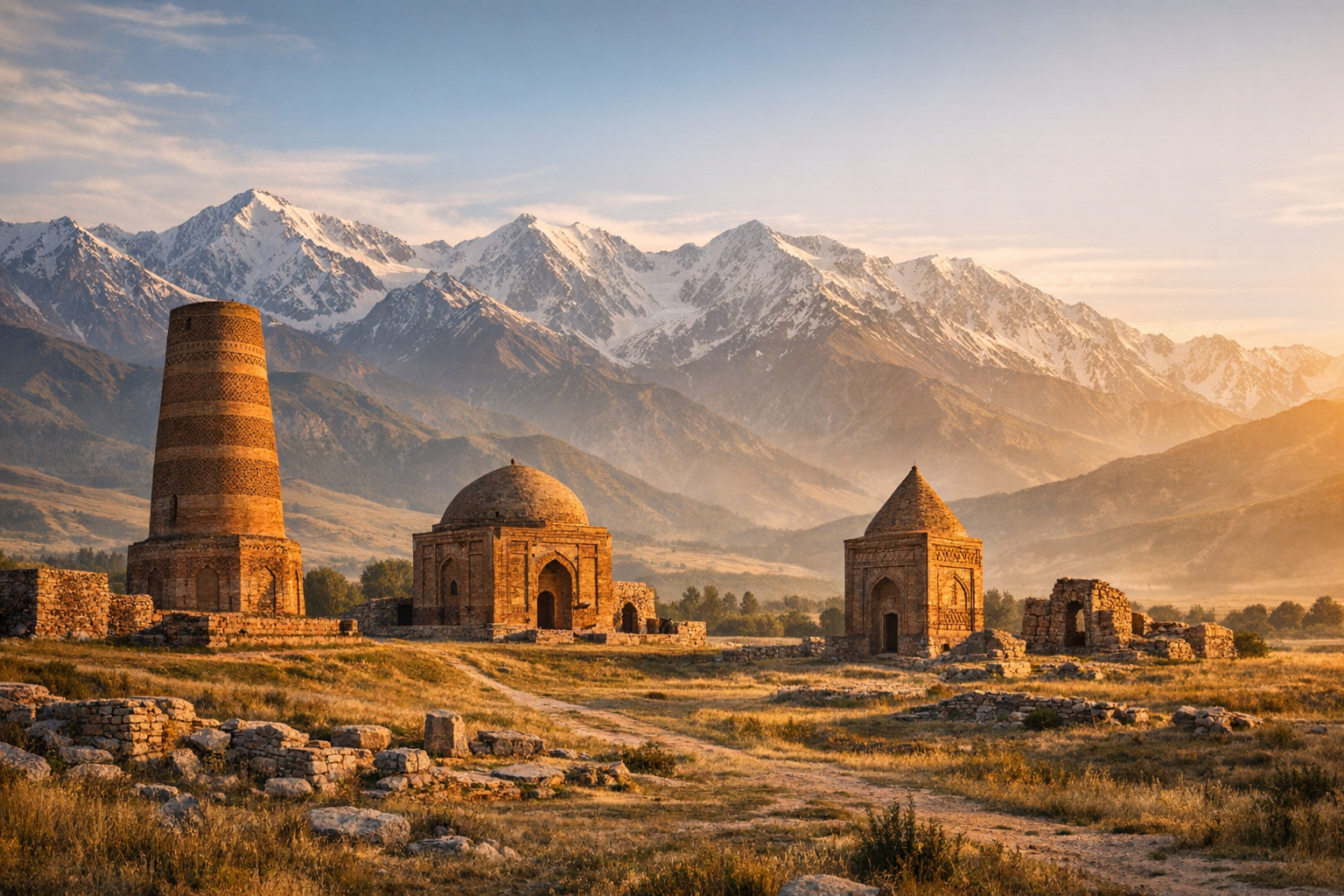
Introduction to Karakhanid Architectural Heritage
Nestled in the heart of Central Asia, Kyrgyzstan boasts a rich tapestry of cultural and historical relics, none more captivating than the architectural legacy of the Karakhanid Empire. Emerging around the 10th century, this dynasty played a pivotal role in shaping the Islamic architectural landscape across the region. At the crossroads of trade routes and cultural exchanges, the empire thrived, leaving behind a plethora of religious and secular buildings that stand as testaments to their ingenuity and artistic prowess.
The architectural landscape is dominated by mosques, minarets, and mausoleums, each exhibiting a blend of Persian, Turkish, and Islamic influences. The Karakhanid architectural style is characterized by intricate geometric patterns, Kufic inscriptions, and the adept use of the architectural orders that seamlessly integrate with the Central Asian environment. Key sites like the Burana Tower and the Uzgen Complex not only embody the empire’s architectural acumen but also reflect the cultural and religious life of the era.
Understanding the historical context enriches our appreciation of these structures. The Karakhanids were among the first Turkic converts to Islam, which profoundly influenced their building designs. They leveraged their position along the Silk Road to assimilate diverse cultural influences, resulting in architectural marvels that rivaled their contemporaries in sophistication. Each structure tells a story of a bygone era, interwoven with tales of trade, conquest, and religious devotion.
Our exploration of this ancient architecture will guide you through the geographical settings of these monuments, nestled among the rugged Tian Shan mountains and the expansive steppes. This journey not only offers insights into Kyrgyzstan's historical narrative but also provides a fascinating glimpse into the nomadic lifestyles that have coexisted with these architectural gems for centuries.
Practical Logistics, Safety Protocols & Cultural Etiquette
When planning a trip to explore these architectural gems, timing is everything. The most favorable seasons are spring (April to June) and autumn (September to October), when the weather is mild and landscapes are lush. However, these windows are short; hence, advance planning is vital. Obtaining necessary permits is straightforward through CBT (Community-Based Tourism) organizations, which offer an array of itineraries complete with guided tours and transportation options.
The border zone near the Fergana Valley requires special attention, as it may necessitate additional permits. Always check current travel advisories and carry identification at all times. Water purification is crucial in these remote areas; portable filtration systems or purification tablets ensure access to safe drinking water, preventing health issues during your expedition.
Altitude acclimatization is something travelers often overlook. While the sites like Burana remain reasonably accessible, activities around the Tian Shan dictate gradual altitude adjustments. Cardio preparation and adequate hydration prevent altitude sickness and ensure an enjoyable experience. When staying in a yurt, common in the area, etiquette is paramount. Always remove your shoes before entering and partake in traditional offerings like kumis (fermented mare’s milk); it's a sign of respect.
In terms of currency, the local use of the KGS Som is predominant, with cash preferred over cards in rural areas. Familiarize yourself with common phrases like “Rakhmat” (Thank you) and respect local customs, which include polite greetings and gestures such as the peace offering of bread. Marshrutkas (shared minivans), though compact, offer a budget-friendly transport solution for reaching less accessible sites, enabling travelers to soak in the local culture on the go.
Visiting the Burana Tower offers a unique insight into the Karakhanid architectural style combined with breathtaking views. It is advisable to climb its spiral staircase early in the day to avoid crowds and capture the perfect photo in the soft morning light.
The Uzgen Complex provides a powerful glimpse into the past with its stunning brickwork and motifs. Pack a picnic to enjoy in the adjacent gardens, allowing time to reflect upon the majesty and peacefulness of the setting.
Taking part in a guided expedition, especially with local experts, uncovers layers of history and offers stories that are not documented. These guides are often a walking encyclopedia and a bridge to connecting with Kyrgyz culture authentically.
Frequently Asked Questions About Ancient Karakhanid Architecture
What is the best time to visit Karakhanid architectural sites in Kyrgyzstan?
The ideal time to visit is during the spring and autumn months. During these seasons, the weather is most conducive for exploring, with moderate temperatures and minimal rainfall. Planning travel during these periods also allows for better visibility and enjoyment of the natural scenery surrounding the historic sites.
How do I reach the Burana Tower from Bishkek, and what are the transportation options?
From Bishkek, you can reach Burana Tower by taking a marshrutka heading towards Tokmok, costing approximately 50 KGS Som per person. The journey takes about 1.5 hours. Alternatively, private taxis offer a more direct but costlier option, ranging from 1,000 to 1,500 KGS Som.
What should I pack when visiting these ancient sites, especially in remote areas?
Packing essentials for visiting these sites include sturdy hiking boots, weather-appropriate clothing, a GPS device or offline maps, and sufficient water. Sun protection such as hats and sunscreen is also crucial. Cultural sites require respectful attire, so ensure you have modest clothing, especially for religious site visits.
Plan Your Kyrgyzstan Wilderness Expedition
Ready to explore the untamed Tian Shan mountains? Contact the Wild Kyrgyzstan team at wildinkyrgyzstan.com to book your custom guided trek or explore our self-guided expedition itineraries.