The Thrilling History of the World Nomad Games in Kyrgyzstan
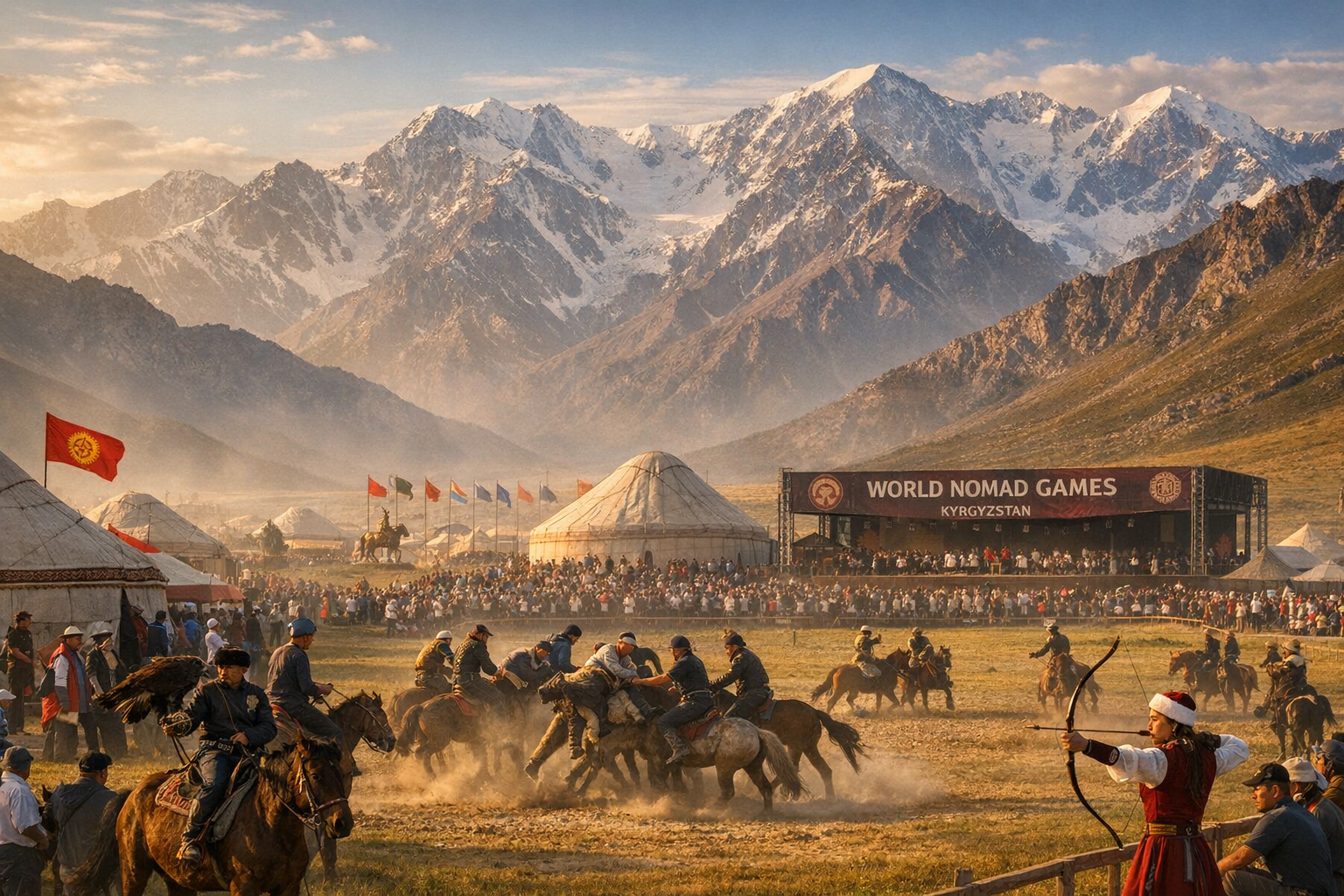
Introduction to the World Nomad Games
The World Nomad Games are a vibrant celebration of nomadic culture, rooted deeply in Kyrgyzstan’s history and heritage. Since their inception in 2014, these games have become a significant cultural event, drawing countries from across Central Asia and beyond. Held in the spectacular surroundings of Kyrgyzstan’s mountain terrain, particularly on the shores of Lake Issyk-Kul, the games showcase a variety of traditional sports practiced by nomadic peoples. These include kok-boru, a unique style of polo involving a goat carcass, and er-enish, a traditional form of wrestling. The games originated as a means to preserve the rich traditions of nomadic peoples who primarily roamed the vast steppes of Central Asia. The term ‘nomad’ itself conjures images of horses galloping across the open plains, yurts dotting the landscape, and the communal lifestyle of those who live in harmony with the land. Kyrgyzstan, with its rugged beauty and deep cultural roots, proves an idyllic setting for this global event. In the broader historical context, nomadic sports have been a crucial element of communal interactions among Central Asian tribes. They not only fostered camaraderie but also honed survival skills essential for life on the steppe. The World Nomad Games aim to revive these ancient traditions in a modern arena, offering a unique insight into the resilience and adaptability of nomadic life. The event is more than just competition; it is a cultural festival featuring music, food, and traditional attire. For adventurers and cultural enthusiasts alike, attending the World Nomad Games offers a rare opportunity to immerse oneself in the spirit of the nomads and witness the rich traditions that have been passed down through generations.
Practical Logistics, Safety Protocols & Cultural Etiquette
Attending the World Nomad Games requires thoughtful logistics to ensure a seamless experience in Kyrgyzstan. The games typically occur in early September, when the weather is favorable and the landscapes are lush. Visitors are advised to prepare for fluctuating temperatures, which can drop significantly in the evenings. Entry to Kyrgyzstan may require a visa depending on your nationality, and it is advisable to check the latest requirements well ahead of your travel dates. Flights land at Manas International Airport in Bishkek, followed by domestic flights or marshrutka taxis to Cholpon-Ata, near Issyk-Kul. Budget-conscious travelers will find options to suit various price points, although early booking is advisable as accommodations fill quickly. Local currency, the KGS Som, is widely accepted, though carrying cash is recommended for transactions in rural areas. A typical budget for mid-range travelers includes considerations for accommodation, food (do not miss the aromatic plov or dumplings such as manty), and transportation. When engaging with locals, a basic understanding of greetings and etiquette goes a long way. Words like 'salem' (hello) and 'rahmat' (thank you) are appreciated. Be aware that cultural traditions hold women and elders in high regard, with built-in courtesy protocols observed. Yurt stays provide authentic experiences, allowing immersion in local hospitality. Remember to remove shoes when entering a yurt and always accept food or drink—it is considered rude to refuse such hospitality. Engage respectfully, and listen intently to stories, ensuring to leave a lightweight footprint during your travels. Water purification tablets or filters may be necessary for those venturing into the backcountry, a practical measure in preventing illness. Lastly, adapt to elevation changes gradually to avoid altitude sickness, keeping well-hydrated and taking rest as needed to adjust fully.
Embrace the full cultural experience by trying kumis, a fermented mare's milk that is a staple drink among nomads. Not only is kumis an integral aspect of local hospitality, but it also offers insight into the region's pastoral heritage. Understanding and appreciating local specialties fundamentally increases cultural appreciation and enriches your travel experience.
For adventurous travelers, horse treks offer an exceptional way to explore Kyrgyzstan's vast landscapes. The trails around Lake Issyk-Kul and the Tian Shan mountains provide a unique vantage point of the region’s natural beauty, closely tied to the nomadic spirit celebrated in the games.
The World Nomad Games are not just a sporting event but a cultural ceremony. Take time to attend workshops and exhibitions displaying traditional crafts like shyrdak felt making. This engagement reveals the subtleties of nomadic artistry, enhancing the traveler’s understanding of regional identity and historical continuity.
Frequently Asked Questions About the World Nomad Games
What are the main sports featured in the World Nomad Games?
The World Nomad Games showcase traditional nomadic sports, including kok-boru, where riders play a form of polo with a goat carcass, and er-enish, wrestling on horseback. Other events include mas-wrestling, archery, and traditional folk games that reflect the rich cultural heritage of nomadic peoples across Central Asia.
How can I travel to the World Nomad Games in Kyrgyzstan?
Travel to the World Nomad Games typically involves a flight to Kyrgyzstan’s capital, Bishkek, followed by a domestic flight or drive to Cholpon-Ata near Lake Issyk-Kul. Transport options in KGS Som include marshrutkas or rental cars. Investigate visa requirements in advance and book accommodations early for ease of travel.
What should I pack for attending the World Nomad Games?
Pack varied clothing to accommodate fluctuating temperatures, as daytime can be warm but evenings are cooler. Essential items include comfortable shoes for walking, a waterproof jacket, and layered clothing. Bring a hat and sunscreen for sun protection, along with basic first-aid supplies and water purification tablets for backcountry excursions.
Plan Your Kyrgyzstan Wilderness Expedition
Ready to explore the untamed Tian Shan mountains? Contact the Wild Kyrgyzstan team at wildinkyrgyzstan.com to book your custom guided trek or explore our self-guided expedition itineraries.