Exploring the Taigan Sightdog Hunting Heritage in Central Asia
Introduction to Taigan Sightdog Hunting Heritage
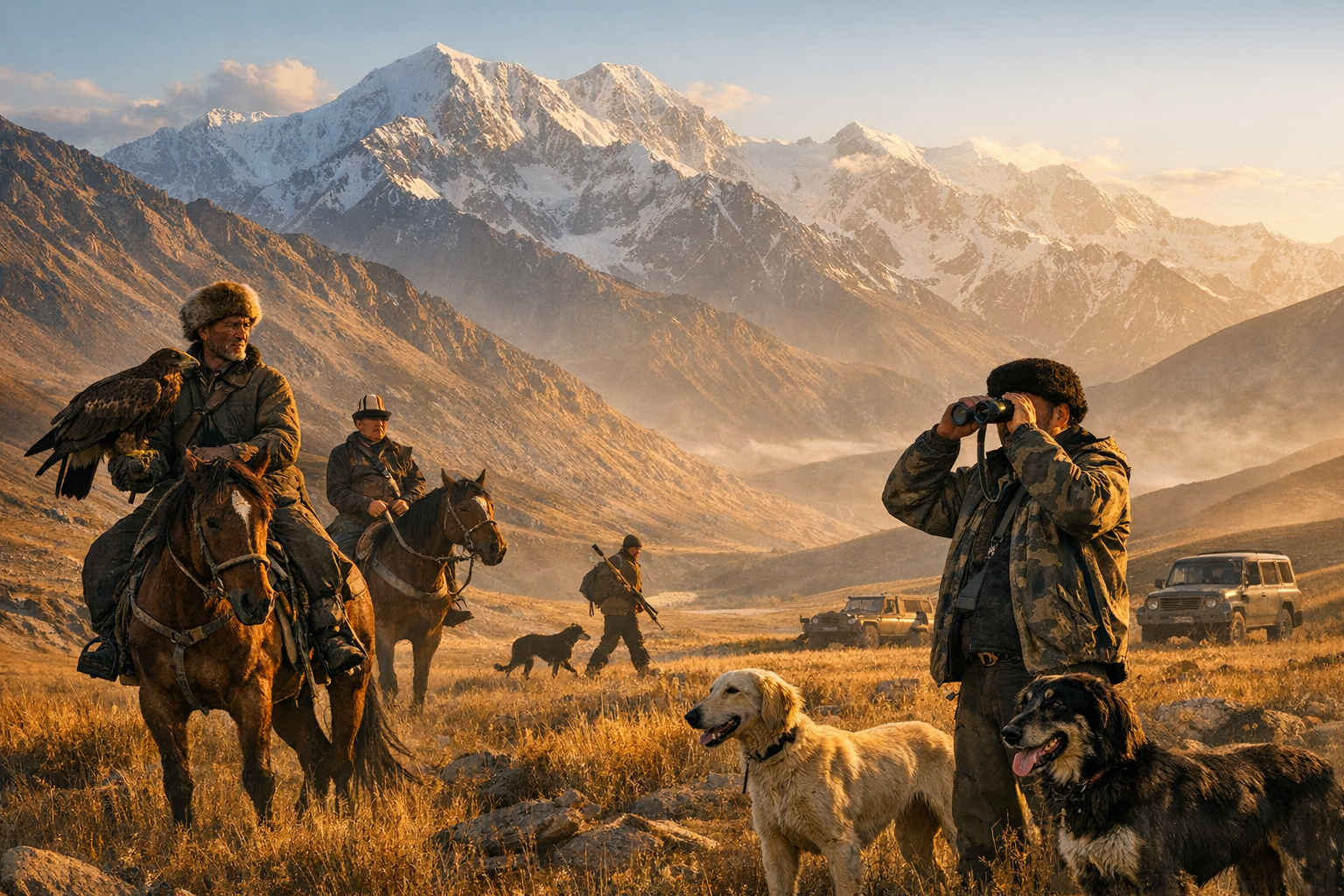
Central Asia, and particularly Kyrgyzstan, is home to a wealth of cultural and historical traditions that are as diverse as the landscape itself. Among these traditions is Taigan sightdog hunting, a practice steeped in history and symbolism. The Taigan, native to the mountainous regions of Kyrgyzstan, is a breed of sight hound revered for its agility, keen eyesight, and hunting prowess. Historically, these dogs have played a crucial role not just as hunting companions, but as integral members of the nomadic Kyrgyz families, embodying the bond between man and animal in the harsh conditions of the high altitudes.
The practice of sightdog hunting in Kyrgyzstan aligns closely with the region’s nomadic heritage. For centuries, Kyrgyz nomads have relied on their Taigans to track and hunt prey across the sprawling jailoo pastures and rugged terrains of the Tian Shan mountains. This activity was not only a means of sustenance but also a demonstration of skill and partnership between hunter and dog. The relationship between Kyrgyz hunters and their Taigans is deeply rooted in mutual respect and cultural tradition.
In the local Kyrgyz language, the Taigan is often referred to as a ‘spiritual companion,’ recognized for both its utility and its symbolic presence. The dogs are considered lucky talismans, believed to ward off evil and bring success to hunts. This reverence for the Taigan is mirrored in various Kyrgyz proverbs and folklore, which celebrate their intelligence and bravery.
Today, Taigan sightdog hunting remains a cherished cultural practice, drawing locals and international enthusiasts alike who seek to understand and participate in this storied tradition. As the world becomes more aware of the importance of preserving such cultural practices, Taigan hunting is increasingly being recognized as a valuable part of Central Asian heritage, warranting efforts for its preservation and ethical practice.
Practical Logistics, Safety Protocols & Cultural Etiquette
Embarking on a Taigan sightdog hunting expedition requires meticulous planning and respect for local cultural norms. The timing of your visit is crucial; with the hunting season peaking in the summer months, it's essential to plan trips between June and September. This period offers optimal weather, creating favorable conditions for both hunting and outdoor camping.
Permits and permissions are a fundamental aspect of the planning process. Travelers must obtain the necessary hunting licenses, which are available through local Kyrgyz hunting clubs and often contingent on adherence to strict wildlife protection laws. Border zone passes may be required depending on the location, and these should be secured in advance.
Given the high-altitude environment, adequate preparation for altitude sickness is necessary. To ensure safety, it’s advisable to spend a few days acclimatizing in lower altitude areas before embarking on the hunts in higher elevations. Travelers should carry altitude sickness medication and be well-versed in the symptoms of this condition.
Cultural etiquette plays a significant role in enhancing the experience. When staying in yurts or interacting with local nomadic communities, respect for traditions is paramount. Simple acts such as removing shoes before entering a yurt and showing appreciation for kumis, a traditional fermented mare’s milk, can go a long way in fostering goodwill and understanding.
Transport arrangements are another important component. While rental cars provide flexibility, many opt for marshrutkas, shared minibuses, which offer an authentic way of experiencing Kyrgyz hospitality and reduce costs. Payments are generally made in KGS Som, and having knowledge of basic Kyrgyz phrases can be greatly beneficial, especially when negotiating costs or purchasing supplies from local markets.
Travelers keen on cultural immersion should consider staying with local nomads in yurts, where they can experience traditional Kyrgyz hospitality firsthand. Sharing daily tasks such as herding or milk preparation provides insight into the nomadic lifestyle, adding depth to the Taigan hunting experience.
Safety in high-altitude hunting expeditions requires preparation. Equip yourself with a reliable GPS device and traditional maps. Ensure your gear includes weather-appropriate clothing, a well-stocked first aid kit, portable water purification systems, and energy-rich snacks, as mountain conditions can be unpredictable.
Participating in local hunting traditions calls for understanding and respecting local customs. Engaging in community activities, attending Kyrgyz festivals, or simply participating in story-sharing sessions helps forge genuine connections, enriching the overall expedition experience.
Frequently Asked Questions About Taigan Sightdog Hunting
What exactly is Taigan sightdog hunting?
Taigan sightdog hunting is a traditional practice in Kyrgyzstan involving the use of Taigan dogs to track and hunt prey across the mountainous regions. Known for their exceptional speed and keen eyesight, Taigans have been crucial to Kyrgyz nomadic survival, serving both functional and symbolic roles in hunting since ancient times.
How do you travel to the hunting locations in Kyrgyzstan?
To reach hunting sites, many opt for flights to Bishkek, followed by ground transportation such as rental cars or local marshrutkas. Travel within the region often requires navigating mountainous terrain, thus hiring local guides familiar with the area is highly recommended.
What safety measures should be taken for high-altitude hunting?
It is vital to acclimatize to the altitude by spending time at lower elevations first. Carrying altitude sickness medication, staying hydrated, and knowing the symptoms of altitude sickness are important. Proper clothing, first aid kits, and navigation tools such as GPS are essential for safety.
Plan Your Kyrgyzstan Wilderness Expedition
Ready to explore the untamed Tian Shan mountains? Contact the Wild Kyrgyzstan team at wildinkyrgyzstan.com to book your custom guided trek or explore our self-guided expedition itineraries.