Exploring Kyrgyz Horse Culture and Nomadic Riding Traditions
Introduction to Kyrgyz Horse Culture
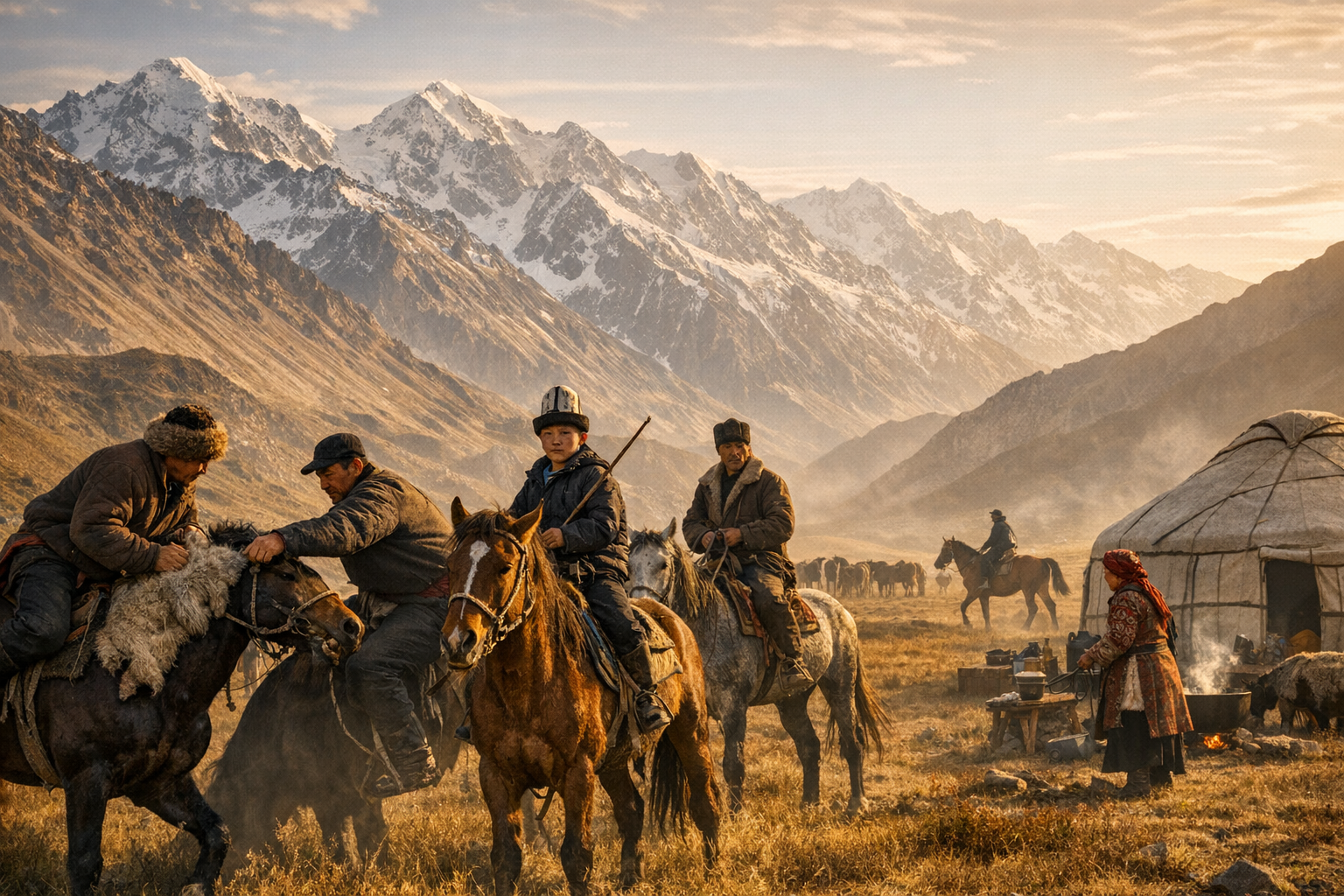
Nestled in the heart of Central Asia, Kyrgyzstan is a land defined by its rugged mountains and rich nomadic traditions. Known as a haven for explorers, it boasts a profound connection with the horse, an animal intrinsic to the cultural identity of the Kyrgyz people. Historically, these majestic creatures have played a significant role in the daily lives of nomads, serving not just as a mode of transport but as companions and symbols of prestige.
The sprawling landscapes of the Tian Shan mountains, with their snow-capped peaks and sweeping valleys, form the backdrop of this horse-centric culture. Here, the concept of 'jailoos' or summer pastures is essential. These are vast expanses where nomadic herders traditionally set up their yurts and allow their livestock to graze freely, a practice that continues even today.
Horses have been central to various aspects of Kyrgyz life, from practical functions such as herding and transportation to ceremonial roles in traditional games like 'kok-boru', a thrilling horseback sport reminiscent of a rugged polo. Distinguishing itself, this culture also embraces the art of eagle hunting, a practice in which skilled riders partner with trained golden eagles to hunt game in the steppe.
In this guide, we will delve into the rich tapestry of Kyrgyz horse culture, exploring its historical roots and how it continues to thrive in modern times. We’ll traverse stunning landscapes by horseback, engage with nomadic communities, learn about the specialized training of both rider and horse, and uncover how these traditions are woven into the cultural fabric of Kyrgyzstan.
Practical Logistics, Safety Protocols & Cultural Etiquette
Planning your expedition into the nomadic heartland of Kyrgyzstan requires meticulous preparation. Understanding the seasonal timing is crucial; the best months to venture are from June to September, when the 'jailoos' are in full bloom and weather conditions are most favorable. During these months, temperatures are relatively mild, averaging 16-24°C, making long horseback riding sessions more comfortable.
Several areas, particularly those near the borders, may require special permits or border zone passes, which should be arranged well in advance through a local tour operator or the CBT (Community Based Tourism) channels. Visitors are encouraged to embrace the local transport system, such as 'marshrutkas', offering an affordable way of reaching remote regions without the hassle of self-driving across unfamiliar terrain.
Safety and health protocols are paramount, particularly concerning altitude preparation and water purification. Gradual acclimatization is recommended to avoid altitude sickness, starting with lighter excursions in lower regions before tackling higher altitudes. Water sources in rural areas might not always be potable, so bring reliable purification tablets or a portable filter to ensure your water is safe to drink.
Staying in a yurt provides an immersive cultural experience, but understanding basic etiquette is vital. Always remove shoes before entering and participate in communal meals respectfully—sharing food is seen as a sign of gratitude and friendship. Learning a few phrases in Kyrgyz, such as 'Rakhmat' (thank you) or 'Salamatsyzby' (hello), goes a long way in building rapport with local communities.
Arrange special permits early, especially for border regions, to avoid delays.
Pack layers and weatherproof gear to adapt to temperature fluctuations in mountainous areas.
Engage with locals in the native language to enhance cultural interaction and experience.
Frequently Asked Questions About Kyrgyz Horse Culture
What is the best time to explore Kyrgyz horse culture?
The optimal time to explore Kyrgyz horse culture is from June to September. During these months, the weather is favorable, with mild temperatures and lush jailoos ideal for horseback riding, ensuring a comfortable and immersive experience.
How can I arrange transportation within Kyrgyzstan?
Within Kyrgyzstan, transportation can be efficiently arranged through local 'marshrutkas', which are shared minivans that connect various cities and regions. These are cost-effective, typically costing between 200-600 KGS Som depending on the distance and offer a local experience of travel.
What safety measures should I consider for high-altitude horse riding?
For high-altitude horse riding, gradual acclimatization is key to preventing altitude sickness. Start with lower altitude rides to build stamina and adjust to thinner air. Bringing along medicines for altitude sickness and a robust first-aid kit is advisable for all participants.
Plan Your Kyrgyzstan Wilderness Expedition
Ready to explore the untamed Tian Shan mountains? Contact the Wild Kyrgyzstan team at wildinkyrgyzstan.com to book your custom guided trek or explore our self-guided expedition itineraries.