Exploring Kyrgyz National Dress and the Significance of the Kalpak Hat
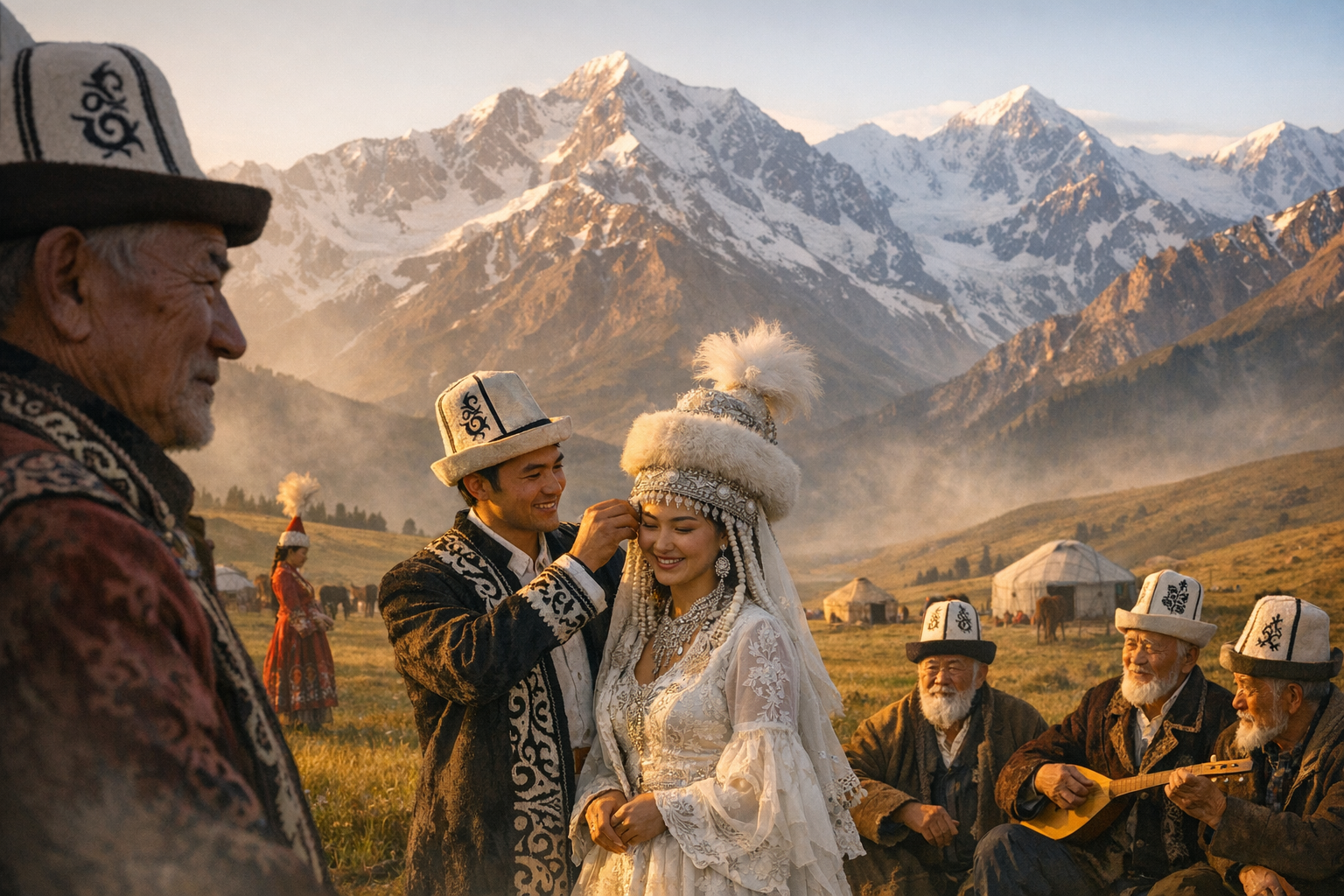
Introduction to Kyrgyz National Dress and Kalpak Tradition
The traditional attire of Kyrgyzstan holds profound cultural significance, representing the rich heritage and distinct identity of the Kyrgyz people. Central to this is the Kalpak, a felt hat that symbolizes wisdom and pride. Kyrgyz national dress is a vibrant tapestry woven from the nomadic lifestyle that the people have led for centuries in the serene landscapes high in the Tian Shan mountains. Wearing traditional garments is not merely about donning an outfit but is a celebration of their history, handmade craftsmanship, and endless connection to the natural environment, such as the grassy jailoos (mountain pastures) of Son-Kul and Ala-Kul. Kyrgyzstan’s national clothing reflects a seamless blend of functionality and artistic expression. Every piece, from the intricate shyrdak felt rugs to the embroidered patterns on dresses, narrates tales of adaptation, survival, and the deep cultural ethos in harsh mountainous terrains. For centuries, these garments provided not only protection against the capricious climate of the Tian Shan region but also served to express the wearer’s clan affiliation and social status. The Kalpak hat, in particular, is worshipped as a symbol of male pride and integrity and is a staple of heritage events, from wrestling matches to daily life next to yurt encampments along the Silk Road. The cultural significance extends beyond personal wear, enriching community gatherings, festive celebrations, and traditional music and dance performances. It is a vivid representation of Kyrgyz societal values of unity, resilience, and respect for nature’s rhythm. The main garment, the Chapans (outer robes), particularly in vibrant blue and red versions, play a significant role during these occasions, making the Kyrgyz traditional dress an essential medium connecting present Kyrgyz society to their illustrious ancestors. Set against the backdrop of breathtaking Kyrgyz landscapes, these garments—from the intricate Kalpaks to felt Khyrgzy coats—shine a light on identity preservation amidst rapid globalization. Through this guide, we navigate these rich traditions, illuminating the significance of Kyrgyz national dress in the heart of Central Asia.
Practical Logistics, Safety Protocols & Cultural Etiquette
Travel planning to explore Kyrgyz traditional dress requires a practical approach, ensuring logistics align smoothly with cultural immersion. Kyrgyzstan can be navigated via marshrutkas, shared vans that connect major cities like Bishkek and Osh to rural areas whether you're gearing up for intimate yurt stays or grand cultural festivals. Understanding the seasonal timing is crucial; summers (June to September) are ideal for explorations, providing access to high-altitude pastures where you’re most likely to encounter Kyrgyz traditional attire in natural settings. Altitude preparations should include acclimatization strategies and proper hydration, especially since many heritage gatherings take place in elevated villages. Respectful engagement involves knowing native phrases such as “Salamatsyzby” (hello) and adhering to hospitality norms, such as offering a polite bow or gesture when approached with a Kalpak-clad host. Carrying adequate cash, exchanged into local currency, KGS Som, is necessary as remote areas have limited banking facilities. Consultation with CBT (Community-Based Tourism) networks facilitates respectful etiquette guidance, ensuring participation in cultural events respects local customs and leaves a positive influence. Booking a guided tour or translator allows for deeper engagement, translating gestures and décor into meaningful exchanges. Comprehending yurt etiquette matters too; when staying with a host family, balance engagement while respecting their private household rhythms. Practical interests such as water purification for hikes in remote regions, and observing proper dress codes (knee-length garments and modest coverage) signal respect and cultural appreciation, ensuring a harmonious journey through Kyrgyzstan’s vivid cultural expression.
Witnessing Kyrgyz men don the Kalpak during communal gatherings paints a vivid portrait of cultural pride. These felt hats, often accompanied by richly sewn chapans, showcase tribal uniqueness and are crafted following meticulous traditional practices.
Exploring Kyrgyz dress isn’t purely about visual splendor; it offers tactile experiences too. Engage with artisans crafting shyrdak rugs or observe seamstresses delicately layering koineks, shadowing centuries of handcrafted mastery.
The adaptability and cultural richness of Kyrgyz attire, from the practical felt ichiks to ceremonial enecheks, echo through every mountain festivity. These garments symbolize heritage preservation amid modern complexities, grounding their identity within nomadic past.
Frequently Asked Questions About Kyrgyz National Dress and Kalpak Hat
What is the significance of the Kalpak hat in Kyrgyz culture?
The Kalpak hat stands as a potent symbol of national pride and identity within Kyrgyz culture. Traditionally worn by men, it represents the wisdom of ancestors and embodies qualities of honor and integrity. The construction and embroidered designs vary across regions, adding nuanced cultural layers indicative of the wearer’s heritage and tribal affiliations.
Where can travelers observe traditional Kyrgyz attire?
Travelers can witness Kyrgyz traditional attire at cultural celebrations, festivals, and remote village gatherings particularly during spring and summer festivities. Places like the rural highlands of Naryn or by Lake Issyk-Kul offer authentic experiences, with access facilitated through local CBT networks, who ensure respectful interaction with communities.
Are there specific guidelines for travelers regarding local dress codes?
Yes, visitors are encouraged to dress modestly, respecting local customs, especially during cultural events. This means avoiding revealing clothing and preferring knee-length garments or trousers. Incorporating traditional elements like shyrdak-patterned scarves or small Kalpaks can showcase appreciation and connection to Kyrgyz culture.
Plan Your Kyrgyzstan Wilderness Expedition
Ready to explore the untamed Tian Shan mountains? Contact the Wild Kyrgyzstan team at wildinkyrgyzstan.com to book your custom guided trek or explore our self-guided expedition itineraries.