The Rich Tradition of Beshbarmak: Cultural Dining Rituals and Etiquette
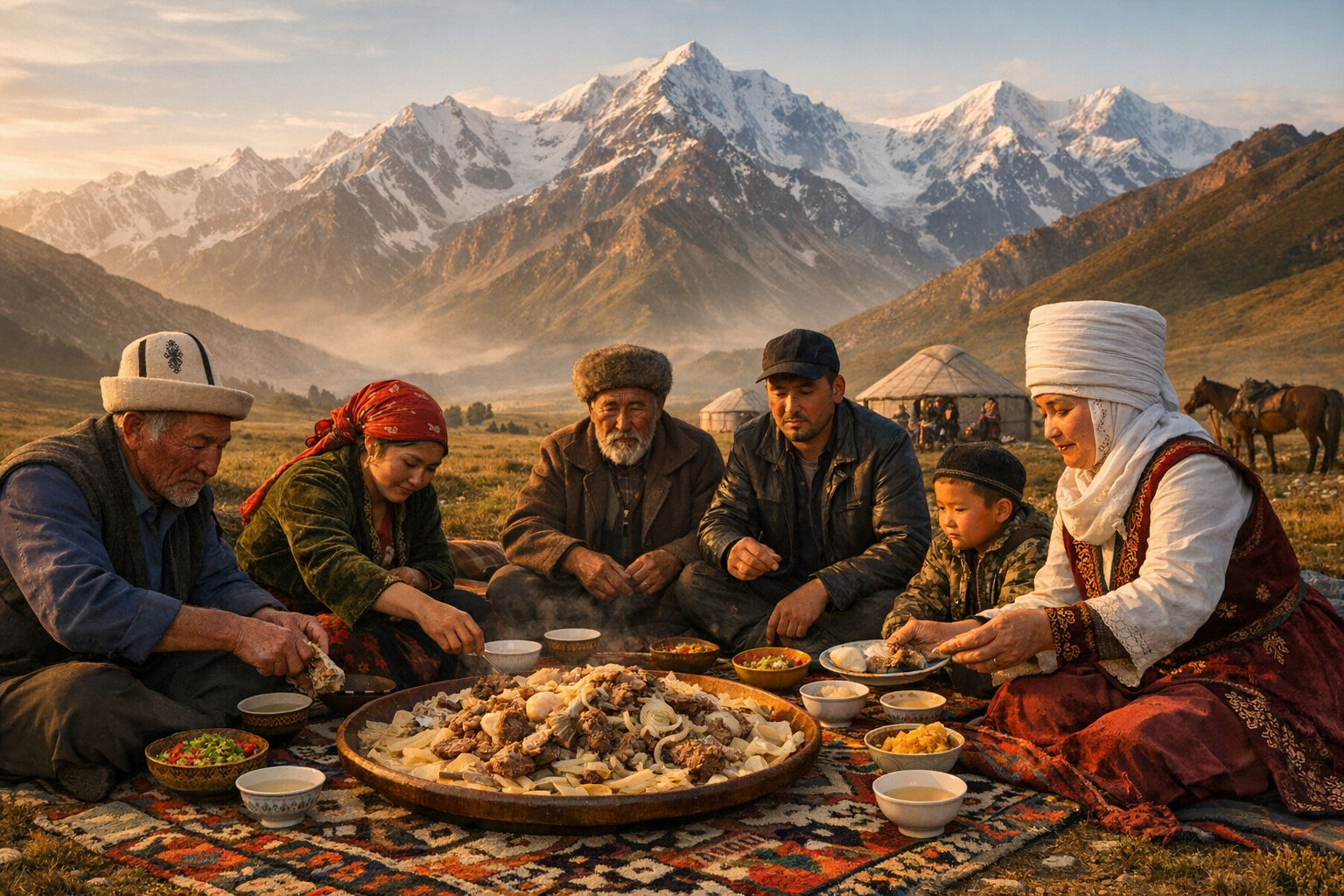
Introduction to Beshbarmak: Cultural Significance and Historical Context
Beshbarmak, meaning 'five fingers' in the Kyrgyz language, is more than just a traditional dish—it is a profound cultural ritual that embodies the essence of Kyrgyz hospitality and history. Deeply rooted in the nomadic lifestyle, Beshbarmak is a dish predominantly made from boiled meat—usually horse or lamb—julienned and served on a bed of thinly rolled noodles. Its preparation is a multi-sensory experience, beginning with the aromatic scent of boiling meat, the tactile touch of the dough, and the mesmerizing sight of beautifully arranged food. This meal is often enjoyed communally, echoing the Kyrgyz value of unity and togetherness.
The origins of Beshbarmak can be traced back to the ancient Turkic tribes, where sharing a meal around a communal table, typically a dastarkhan (traditional dining cloth), symbolized social bonds and respect. This culinary practice has been preserved and passed down through generations, maintaining its prominence at festivities and gatherings like weddings, offering guests a glimpse into Kyrgyz history and tradition. The preparation and serving of Beshbarmak are steeped in ritualistic nuances, with each step holding symbolic importance, from the methodical laying of noodles to the ceremonial carving of meat.
Nestled in the heart of Central Asia, Kyrgyzstan's mountainous terrain has greatly influenced its culinary traditions. The country's varied geography, from the rugged Tian Shan mountains to expansive jailoos (summer pastures), supports animal husbandry, which remains the backbone of the Kyrgyz diet. The emphasis on meat in dishes like Beshbarmak highlights the central role that livestock plays in this culture, providing sustenance and symbolizing wealth and prosperity.
Understanding Beshbarmak goes beyond tasting; it involves immersing oneself in the rich tapestry of nomadic life, embodying respect for elders, and recognizing the spiritual significance of each ritual. As you delve into this guide, prepare to journey through the cultural labyrinth of Kyrgyzstan’s most celebrated dining tradition, uncovering its historical roots and the etiquette that governs its ceremonial consumption.
Practical Logistics, Safety Protocols & Cultural Etiquette
Planning to experience a Beshbarmak meal first-hand requires some understanding of local customs and logistical considerations. The seasonal timing for experiencing this tradition matters, as Beshbarmak is often central to significant events, such as weddings or national holidays. Autumn and spring are ideal times when social gatherings are frequent.
To participate authentically, consider connecting with a local CBT (Community Based Tourism) group. They offer immersive experiences that allow visitors to join local families in traditional settings, often highlighting Kyrgyzstan's scenic rural landscapes. CBT can arrange for accommodations in yurts, providing a complete Kyrgyz cultural adventure.
Understanding etiquette is crucial, as is respecting local customs. When entering a yurt or family home, it's customary to remove your shoes and potentially bring a small gift as a token of appreciation. Greet elders first, and be mindful of the arranged seating as it signifies social hierarchy.
Financial logistics involve budgeting for this experience. The cost of participating in a Beshbarmak meal varies but expect to pay between 2000 and 4000 KGS Som, typically inclusive of the full meal and cultural experience. Always carry cash, as card payments are rarely accepted in rural areas.
In summary, a well-rounded plan includes understanding seasonal influences, aligning with local CBT guides for authentic experiences, respecting cultural protocols, and preparing financially. This approach ensures a respectful and enriching encounter with the Beshbarmak tradition.
Respect for elders is paramount during a Beshbarmak meal, as they are typically served first. This is a sign of reverence and is integral to the experience. Guests should follow suit and wait for the host or elder to begin the meal before starting.
Beshbarmak is traditionally eaten with the hands. Before the meal begins, a bowl for washing hands is often passed around. This is not only for hygiene but also as a nod to the deep-rooted connection between the eater and the food.
Kumis (fermented mare's milk) is traditionally served alongside Beshbarmak. It’s considered a ceremonial drink, and visitors should partake in a toast with their host, respecting this cultural custom.
Frequently Asked Questions About Beshbarmak Dining Rituals
What should I wear to a Beshbarmak dining experience?
Dress modestly and comfortably, avoiding overly casual or flashy attire. It's customary to remove shoes before entering a yurt or home. Wearing socks or slippers is advised to maintain comfort and respect local norms.
How do I book a Beshbarmak meal experience in Kyrgyzstan?
Reach out to CBT (Community Based Tourism) organizations to book an authentic meal. They facilitate cultural experiences with local families, ensuring a deep integration with tradition. Expect to budget between 2000-4000 KGS Som.
What is the best time of year to enjoy Beshbarmak in Kyrgyzstan?
The optimal times are during autumn and spring when familial gatherings and celebrations are common. These seasons provide the best opportunities to experience Beshbarmak authentically, as they coincide with cultural events and holidays.
Plan Your Kyrgyzstan Wilderness Expedition
Ready to explore the untamed Tian Shan mountains? Contact the Wild Kyrgyzstan team at wildinkyrgyzstan.com to book your custom guided trek or explore our self-guided expedition itineraries.