Exploring Ancient Silk Road Routes Through Central Asia
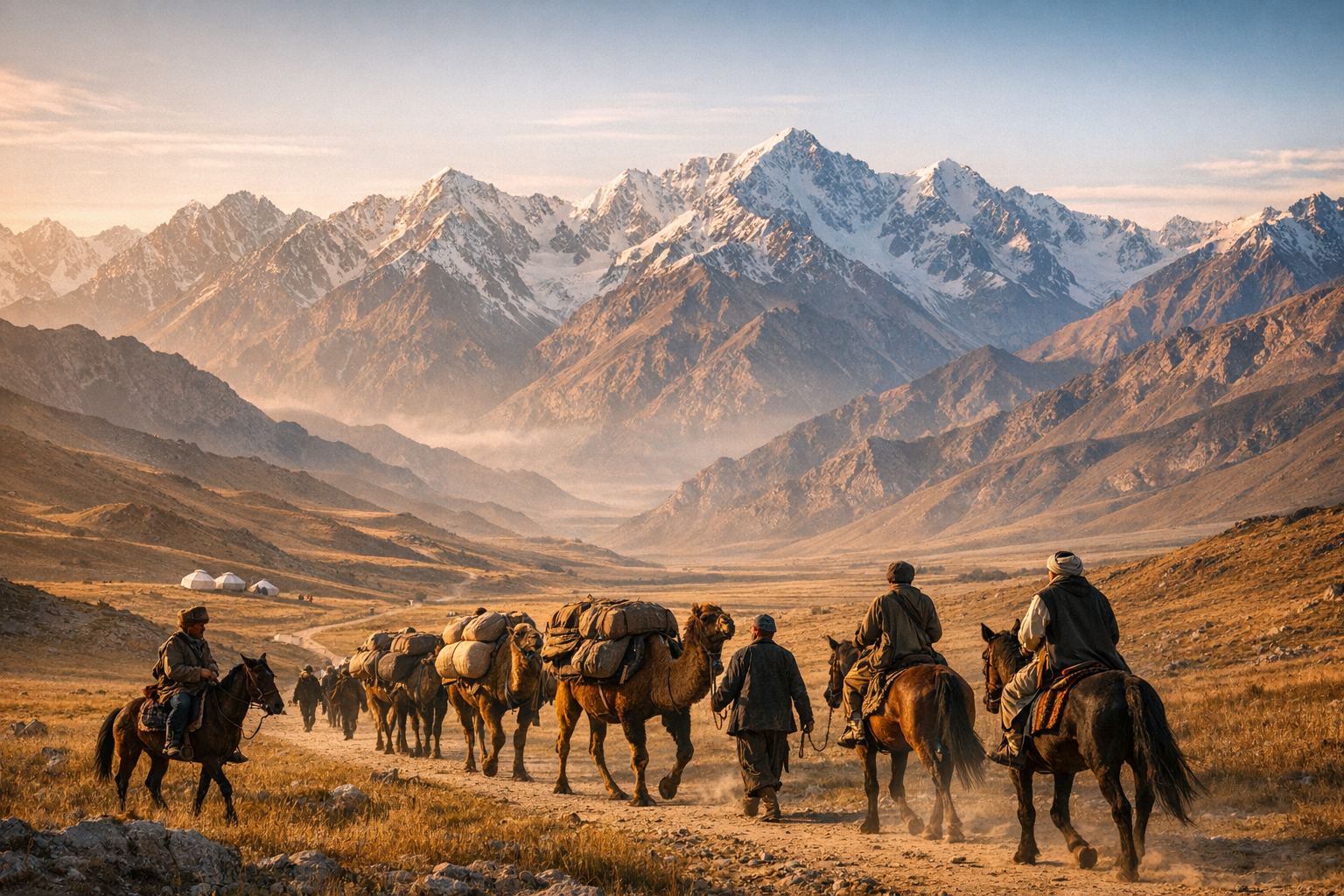
Introduction to the Silk Road in Central Asia
The ancient Silk Road, a marvel of human ingenuity and tenacity, weaves across the heart of Central Asia, linking the vast expanse from China in the east to the Mediterranean in the west. This historic network of trade routes originated over 2,000 years ago during the Han Dynasty, serving as the lifeblood for merchants, explorers, and conquerors alike. The routes facilitated not only the exchange of silk, spices, tea, and other goods but also ideas, cultures, and technology, fostering a melting pot of civilizations. Kyrgyzstan, with its rugged terrains and strategic location, played a pivotal role in this vast network, offering passage through the colossal Tian Shan mountains.
The Silk Road, known locally as the 'Ipak Yolu', traverses through diverse landscapes of high-altitude mountains, lush valleys, and expansive steppe lands. The geographic tapestry of Kyrgyzstan offers a unique backdrop to the tales of caravans navigating through its treacherous mountain passes and lush jailoos (summer pastures). It is here that the whispers of history linger in the air, telling stories of bustling markets, caravanserais, and majestic palaces.
As we delve into the exploration of these ancient routes, it’s essential to appreciate the influence of the Silk Road on regional cultures. The introduction of Buddhism, Zoroastrianism, Christianity, and Islam along these paths resulted in a rich tapestry of belief systems enriching the cultural landscape. Today, remnants of this illustrious past can be witnessed in the vibrant bazaars, architectural relics, and the living traditions passed down through generations.
Travelers venturing into the Kyrgyz section of the Silk Road are privy to an immersive experience that melds historical exploration with unparalleled natural beauty. The journey navigates through Ala-Archa Canyon’s dramatic peaks, the serene beauty of Son-Kul Lake, and the fabled caravansary of Tash Rabat. These paths not only unlock the secrets of the past but also invite explorers to witness the unaltered nomadic lifestyle, offering glimpses into a world left untouched by time.
Practical Logistics, Safety Protocols & Cultural Etiquette
Embarking on a Silk Road expedition requires careful planning, especially in terms of timing and understanding regional protocols. The best time to explore these routes is from May to September, when the weather is milder, and the trails are more accessible. Travelers need to secure necessary permits, particularly if venturing into restricted border areas, which are best arranged through local tour operators.
In terms of transportation, marshrutkas and shared taxis are popular modes for short distances within Kyrgyzstan. For extended journeys, hiring a private driver who is familiar with the terrain and cultural nuances is advisable. The local currency, KGS Som, is the standard for transactions, and ATMs are available in major towns but scarce in rural areas.
Safety on the Silk Road involves preparing for high-altitude conditions, requiring adequate acclimatization and hydration. Altitude sickness can pose significant risks, so carrying medication and understanding symptom management is crucial. Water purification tablets or filters are recommended due to the unpredictability of water sources.
Cultural etiquette involves respecting local norms, such as removing shoes before entering yurts, exchanging greetings (salaam alaikum), and participating in communal tea drinking rituals. Understanding basic phrases like 'Rakmat' (thank you) and 'Kandai'syngyz?' (how are you?) fosters positive interactions.
During yurt stays, it's vital to participate actively and respectfully in daily activities, observing the roles within nomadic families and their emphasis on hospitality. This engagement enriches the experience, providing insights into the Kyrgyz way of life that's deeply rooted in centuries of tradition.
The Ala-Archa National Park offers initial acclimatization with its diverse landscapes. Trekking through the park prepares travelers for the elevations ahead, providing a balanced mix of challenge and relaxation through picturesque trails and alpine meadows.
Staying with nomadic families in traditional yurts at Son-Kul Lake allows travelers to immerse themselves in the local culture. Participating in daily activities like herding and kumis preparation offers practical lessons in sustainable living and cultural exchange.
Visiting Tash Rabat caravanserai provides a tangible connection to the Silk Road's history. Expert-guided tours reveal architectural details and historical tales, bringing the caravan lifestyle to life against the backdrop of the imposing Tian Shan mountains.
Frequently Asked Questions About Ancient Silk Road Routes Through Central Asia
What is the best time of year to explore the Silk Road in Kyrgyzstan?
The optimal time to explore the Silk Road routes in Kyrgyzstan is from May to September, when the weather is favorable for trekking and outdoor activities. During these months, the trails are generally accessible, and the mountain passes are free from heavy snow, allowing for safer and more enjoyable travel.
What are the transportation options for traveling the Silk Road in Central Asia?
Travelers have several options, including marshrutkas, shared taxis, and private drivers. For short distances, marshrutkas are convenient and affordable, priced between 50 and 300 KGS. For longer routes, hiring a private driver provides comfort and flexibility, especially in remote areas where public transportation is less reliable.
How can I prepare for high-altitude trekking on the Silk Road?
Preparation for high-altitude trekking involves physical conditioning, gradual acclimatization, and understanding altitude sickness symptoms. Travelers should spend initial days at elevation, hydrate frequently, and carry medications like acetazolamide. Essential gear includes thermal clothing and reliable hiking boots for varying terrain and weather conditions.
Plan Your Kyrgyzstan Wilderness Expedition
Ready to explore the untamed Tian Shan mountains? Contact the Wild Kyrgyzstan team at wildinkyrgyzstan.com to book your custom guided trek or explore our self-guided expedition itineraries.