Exploring the Nomadic Philosophy of the Kyrgyz Yurt
Introduction to the Nomadic Philosophy of the Kyrgyz Yurt
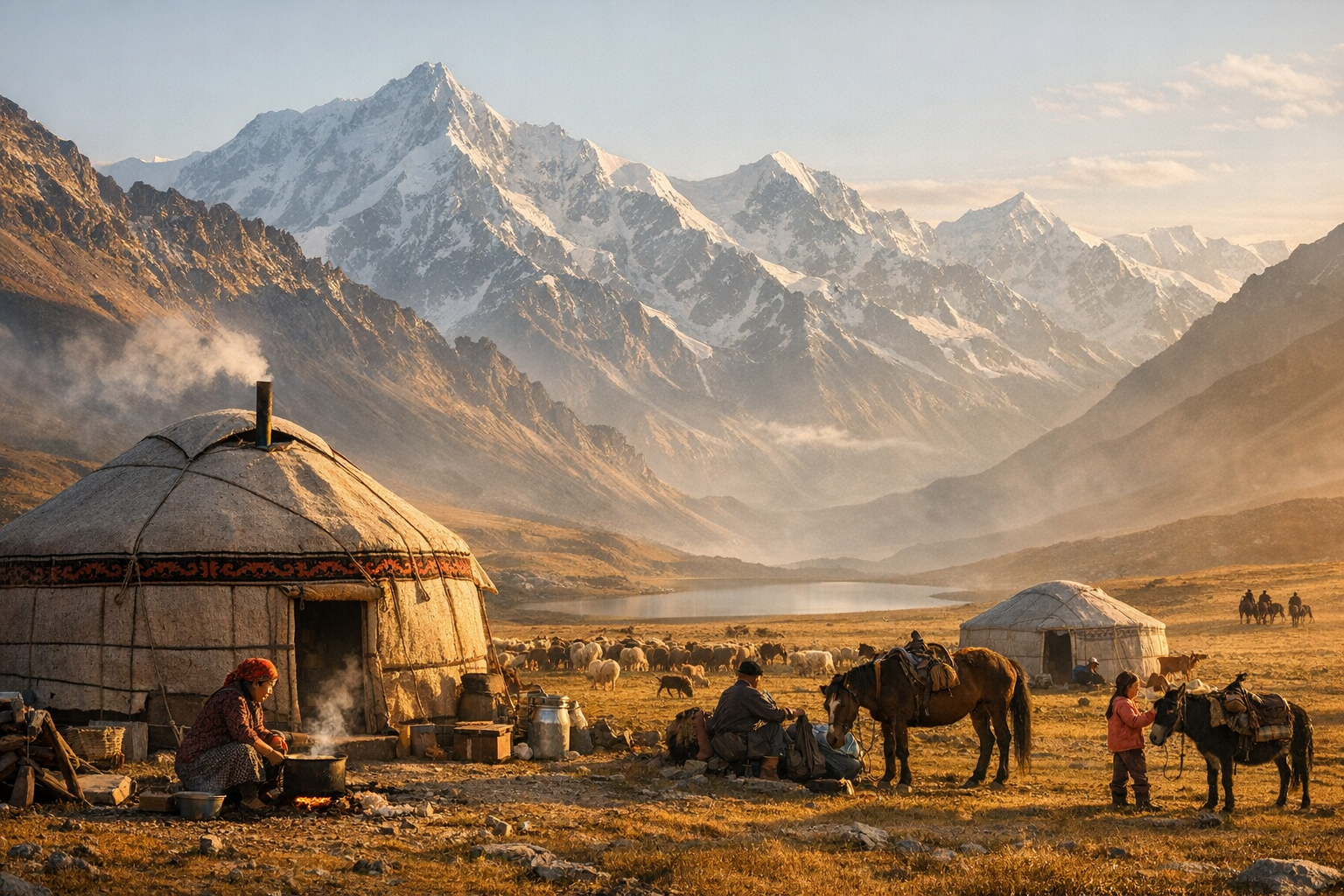
Nestled amidst the grandeur of the Tian Shan mountains, the Kyrgyz yurt stands as a testament to the enduring spirit of nomadic life. To the untrained eye, a yurt may appear as nothing more than a portable dwelling. However, its significance transcends mere function, embodying a philosophy that informs every aspect of Kyrgyz nomadic culture. For thousands of years, nomadic tribes have traversed the vast, undulating landscapes of Central Asia with these circular structures, which provide shelter and reflect a deep connection with nature.
The construction of a yurt is both an art and a skill passed down through generations. Composed of wooden frameworks (kerege), covered with layers of felt (shyrdak) and intricately patterned textiles, the yurt is designed for efficiency and comfort. It is a marvel of sustainable architecture, utilizing natural materials to create a warm, cozy space that can withstand the harsh continental climate.
The yurt also functions as a social and cultural hub. It is where intimate family gatherings happen, stories are told, and traditions are preserved. The circular layout symbolizes unity and equality, with the toono (circular opening at the top) acting as a spiritual conduit, connecting the inhabitants with the sky and the world beyond. This architectural design is not only practical but also deeply philosophical, reflecting the cyclical patterns of life and nature.
Travelers to Kyrgyzstan have the unique opportunity to immerse themselves in this rich cultural heritage. Living in a yurt offers a window into the lives of shepherds who roam the jailoos (summer pastures) with their herds. Participating in a yurt stay is more than an overnight accommodation; it is an invitation to partake in the communal lifestyle pervasive in Kyrgyz culture, where every action is connected to the broader tapestry of nomadic tradition.
Practical Logistics, Safety Protocols & Cultural Etiquette
Understanding the logistics of a cultural journey in Kyrgyzstan is fundamental to ensuring both safety and an authentic experience. Prime timing for exploring yurt camps in the highland jailoos falls between June and September, when the snow has melted from the mountain passes and the weather is relatively stable.
Travelers are advised to secure necessary permits from local authorities if the route approaches sensitive border areas. The remote nature of some trekking paths requires careful planning in water purification methods and provisions. Natural water sources, although plentiful, must be treated using filtration systems or tablets due to the prevalence of livestock.
Acclimatization to high altitudes begins at moderate elevations, transitioning to higher trails as your body adjusts. Fitness preparation should include cardiovascular exercises and comprehensive health check-ups, ensuring you are equipped for the physical demands. Cultural etiquette is crucial; showing respect for the customs will enhance your yurt stay. Removing shoes when entering a yurt and participating politely in communal activities like traditional meals fosters a deeper connection with hosts.
Transportation to these remote regions can be achieved via marshrutkas and private taxis from major cities such as Bishkek and Osh. The cost of transport varies, typically ranging from 2,000 to 5,000 KGS Som depending on the distance and negotiating skills. Opting for CBT (Community Based Tourism) packages provides structured logistics and supports local economies while offering culturally enriched experiences facilitated by knowledgeable guides.
Embark on high-altitude treks from Song-Kul, navigating with a reliable GPS device and engaging with local shepherds renowned for their navigational acumen. Such interactions not only enrich the cultural experience but also promote safety in the unpredictable mountainous regions.
For an immersive yurt stay, practice cultural sensitivity by accepting kumis and engaging in traditional storytelling sessions. Such encounters peel back layers of Kyrgyz history and lend insight into the deeply ingrained nomadic values of hospitality and unity.
Experience the transformative connection between humanity and nature, symbolized by the yurt’s circular design. This relational architecture not only offers physical protection but also spiritual alignment with the celestial patterns visible through the toono, enhancing your appreciation for nomadic philosophy.
Frequently Asked Questions About the Nomadic Philosophy of the Kyrgyz Yurt
What is the historical significance of the Kyrgyz yurt?
The Kyrgyz yurt is historically significant as a primary dwelling for nomadic people, designed for mobility and resilience. Its construction involves centuries-old techniques, using locally sourced materials to create a portable yet cozy abode. Serving as a symbol of cultural identity, yurts reflect the Kyrgyz values of community, adaptability, and harmony with nature.
How can I participate in a yurt stay experience in Kyrgyzstan?
Participation in a yurt stay can be arranged through CBT initiatives or local tour operators. Costs are generally budget-friendly, at around 1,500 to 3,000 KGS Som per night, including amenities and cultural interactions. Booking in advance ensures availability and helps plan the journey to remote yurt camps effectively.
What should I pack for a yurt-based expedition in Kyrgyzstan?
Packing for a yurt-based expedition should emphasize layers of clothing suitable for varying temperatures, sturdy hiking boots, and a reliable water purification system. A portable first-aid kit, essential for minor injuries and altitude sickness, complements the practical gear like GPS devices and high-capacity power banks, ensuring you're prepared for the rigors of Kyrgyz wilderness.
Plan Your Kyrgyzstan Wilderness Expedition
Ready to explore the untamed Tian Shan mountains? Contact the Wild Kyrgyzstan team at wildinkyrgyzstan.com to book your custom guided trek or explore our self-guided expedition itineraries.