Living Nomadic Traditions in Song Kul Lake
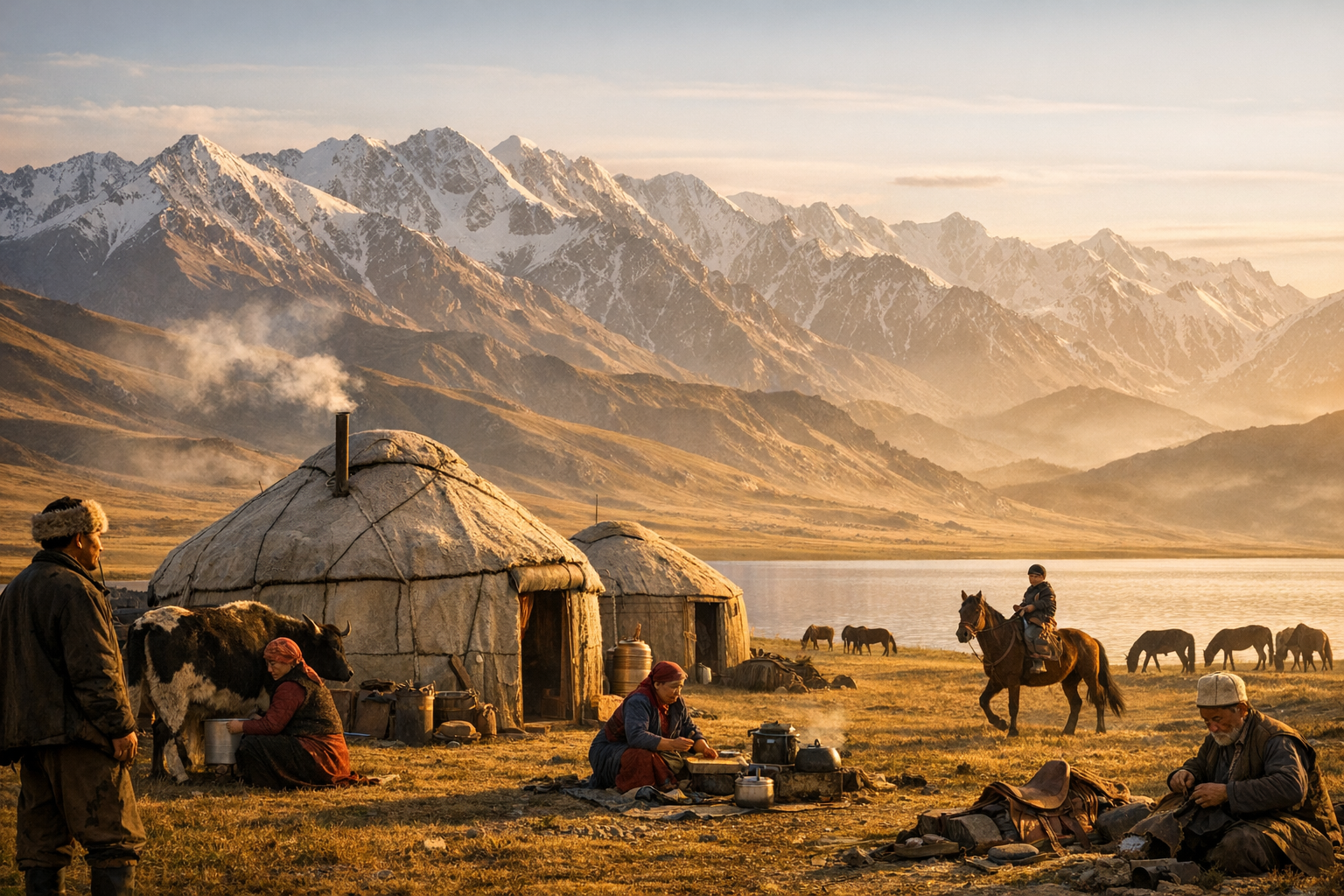
Introduction to Song Kul's Nomadic Heritage
Nestled high in the mountains of Kyrgyzstan, Song Kul Lake is a mesmerizing alpine haven that captures the essence of nomadic life. This sprawling blue lake, located at an altitude of 3,016 meters, serves not only as a breathtaking natural wonder but as a vibrant hearth of Kyrgyz nomadic culture, where traditions have remained remarkably consistent over the centuries. Known by locals as 'Song-Köl' or 'Song Kul,' the area is renowned for its pastoral beauty and rich cultural heritage, inviting travelers to experience life as it has been lived for generations.
The nomadic tribes who populate the area have a deep-rooted connection to this land, which has served as a seasonal pasture or 'jailoo' for herding livestock. The simplicity and purity of life here reflect a way of living that predates modern conveniences. Understanding the historical context of Kyrgyzstan's nomadic traditions brings this journey to life. Originating from ancient Turkic tribes that once roamed Central Asia, the practices and rituals maintained at Song Kul are deeply rooted in centuries-old traditions.
In these high pastures, visitors can witness first-hand the timeless lifestyle of the Kyrgyz nomad. Families still reside in yurts, known locally as 'boz uy,' constructing them skillfully from wood and felt. These round, portable tents provide warmth and shelter, embodying the practical ingenuity required for life on the move. Beyond the scenic landscapes, Song Kul's most profound offerings are the intangible experiences that come from engaging with the local community.
There is a rhythmic simplicity to life by the lake that encapsulates a deep respect for nature and the cyclical patterns of life. The pastoral silence, broken only by the soft bleating of livestock and whispering winds, offers a unique symbiosis with nature that urban life cannot replicate. Experiencing a stay at Song Kul is akin to stepping into a living history book where the customs, tales, and tunes of Kyrgyz nomadic life are still woven into the everyday. This guide will delve into all facets of exploring Song Kul, from logistics and tradition to the ethics of responsible travel, ensuring your journey is as enriching and respectful as it is adventurous.
Practical Logistics, Safety Protocols & Cultural Etiquette
Getting to Song Kul requires meticulous planning, primarily due to its remote location and limited access during much of the year. To visit, prioritize booking accommodations early, especially yurts, which are managed by local families through Community Based Tourism (CBT) sites in Kochkor. Expect to pay around 1,500 to 2,000 KGS Som per night for a complete experience that includes meals featuring local delicacies like kumis, the traditional fermented mare’s milk.
Seasonal timing is crucial, as access is usually restricted to late spring through early fall. Ensure you secure any necessary permits if your journey takes you beyond the standard tourist routes, especially if detouring into border zones requires clearance from the regional office in Naryn. This applies primarily to organized trekking groups intending deeper exploration into the protected areas around the lake.
Stay sanitized with water purification tools, as remote locations like Song Kul rely on natural water sources. Boiling lake water or using reliable filtration devices ensures safe consumption. Altitude sickness is another consideration; allow a day or two for acclimatizing to altitudes over 3,000 meters to avoid symptoms like headaches or dizziness. Slow ascent and hydration can mitigate these risks.
Yurt stay etiquette involves understanding Kyrgyz hospitality and customs. Remove shoes before entering the boz uy and accept tea or shared meals graciously, which signify warm welcomes. Knowing simple phrases, such as 'Rakhmat' for thank you, or 'Salamatsyzby' for hello, will endear you to hosts and foster genuine connections. When engaging with nomadic families, respect private areas within yurts and observe local practices, listening attentively to stories that offer insight into their lives.
Tip: Understand the rich heritage of Song Kul by learning basic Kyrgyz phrases, like 'Kosh bolunuz' (goodbye), helping to bridge cultural gaps.
Tip: Book through CBT networks for authentic yurt experiences, supporting local economies. Ensure availability via early reservations.
Tip: Allocate time to acclimatize to Song Kul's elevation, preventing altitude-related issues. Schedule rest days and stay well-hydrated.
Frequently Asked Questions About Living Nomadic Traditions in Song Kul Lake
Is it necessary to hire a guide for trekking at Song Kul?
While experienced hikers may navigate independently, hiring a local guide enriches your understanding of the region’s cultural and historical context. Guides can introduce you to local nomadic families and facilitate unique experiences such as eagle hunting or learning traditional songs, ensuring a more meaningful visit.
What is the cost of staying in a yurt at Song Kul?
Staying in a yurt typically costs between 1,500 and 2,000 KGS Som per night, including meals. Costs can vary depending on additional activities or excursions planned. Booking through CBT sites ensures a community-supported experience that contributes directly to local families.
What gear do I need for a safe trek at Song Kul?
Essential gear includes layered clothing suitable for variable weather, a reliable backpack, hiking boots, rainproof gear, water purification tools, and an altitude sickness kit. Safety is key, so prepare with maps or GPS navigation equipment, particularly if you are exploring remote areas without a guide.
Plan Your Kyrgyzstan Wilderness Expedition
Ready to explore the untamed Tian Shan mountains? Contact the Wild Kyrgyzstan team at wildinkyrgyzstan.com to book your custom guided trek or explore our self-guided expedition itineraries.