Embracing Jailoo: The Nomadic Summer Pasture Customs of Kyrgyzstan
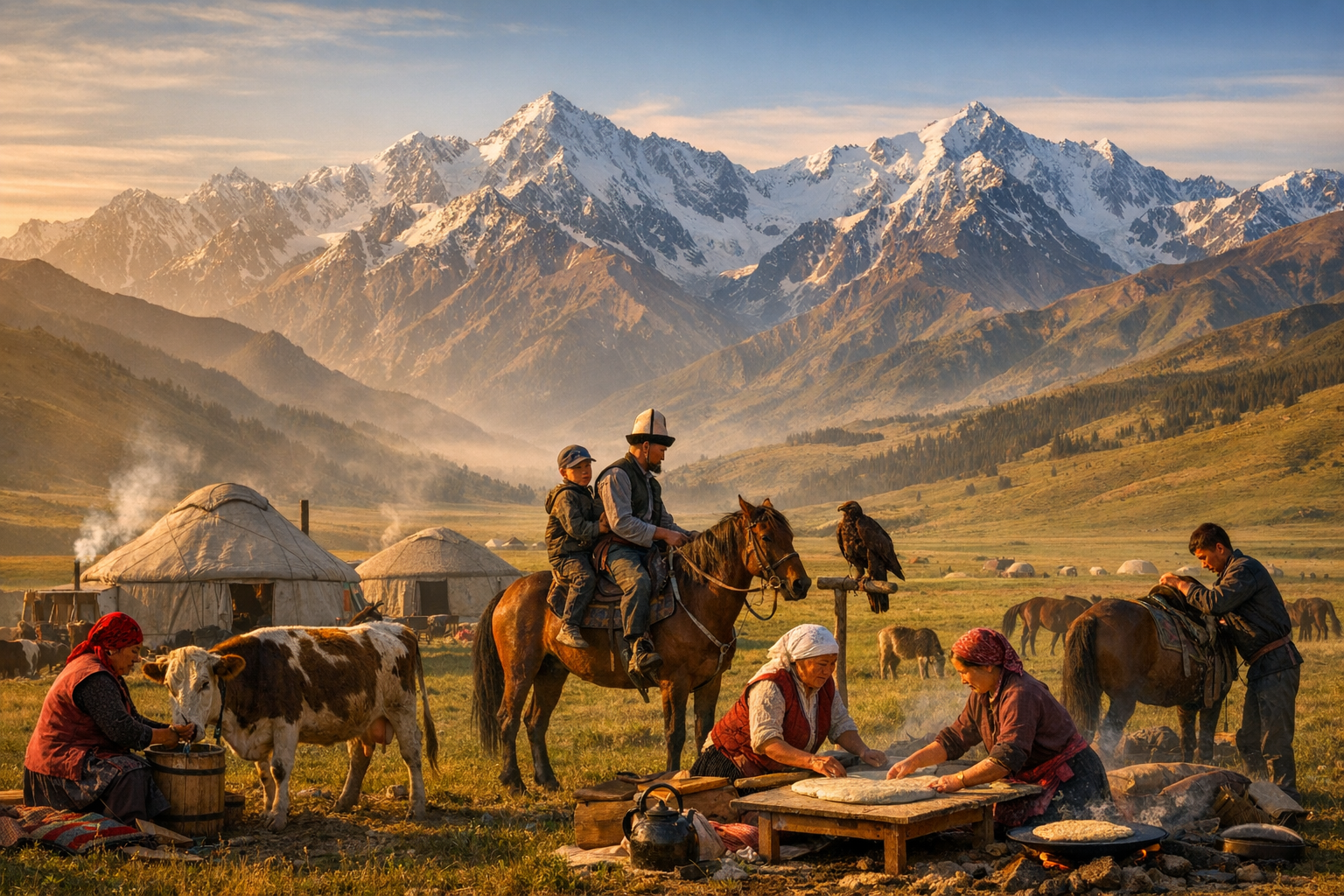
Introduction to Jailoo: The Heart of Nomadic Life
Nestled within the vast expanses of the Tian Shan mountains, Kyrgyzstan is a land rich in tradition and natural beauty, where the ancient customs of nomadic life continue to thrive. Jailoo, the traditional summer pastures, is more than just a place—it's a way of life steeped in deep cultural significance. These lush high-altitude meadows are where Kyrgyz herders lead their livestock during the warmer months, a practice that dates back centuries. The term 'Jailoo' itself embodies the essence of the nomadic way, representing a seasonal movement that synchronizes with nature's rhythms.
Historically, Jailoo has been central to the Kyrgyz identity, with families migrating to these pastures to capitalize on the rich grazing lands for their herds of sheep, horses, and yaks. This seasonal migration is not merely a practical endeavor but a celebration of life, harmony, and freedom. The journey to the Jailoo marks a period of communal living where songs, stories, and traditional games like 'kok-boru' bring together families and friends.
Geographically, Kyrgyzstan's Jailoo is spread across stunning landscapes with valleys, crystal-clear mountain streams, and towering peaks, offering a mesmerizing backdrop to this cultural tapestry. Prominent jailoos include the enchanting Son-Kul and the pristine Kara-Kujur, each offering a distinct experience and a window into the soulful nomadic lifestyle. Visitors are drawn to these areas not only for their natural beauty but also to experience an authentic slice of Kyrgyz culture, complete with yurt stays and traditional Kyrgyz cuisines like 'kumis'—a fermented mare's milk.
As more travelers seek immersive and sustainable travel experiences, understanding Jailoo customs provides valuable insight into an age-old way of life that emphasizes coexistence with nature, community, and tranquility. By delving deeper into these customs, one can truly appreciate the profound wisdom embodied in the nomadic traditions of the Kyrgyz people, which continue to resonate profoundly in today's fast-paced world.
Practical Logistics, Safety Protocols & Cultural Etiquette
Planning a journey to the Jailoo involves a web of logistical considerations, safety preparations, and cultural sensitivity. Timing your visit is crucial. The optimal period for a Jailoo experience spans from late June to early September, when the pastures are most accessible and the climate is temperate. In colder months, these areas become treacherous and inaccessible.
Securing the necessary permits is a pivotal step. While entering Kyrgyzstan has been simplified for many nationalities with visa-free regimes, certain border zone passes are necessary, especially for jailoos adjacent to sensitive areas like those near the Chinese border. Local CBT offices can facilitate these permits and provide essential support in navigating bureaucratic processes.
Travelers should prepare for the altitude and its effects. Spending a few days in Bishkek or nearby towns helps acclimatize before ascending to the high pastures. Hydration is key, and water purification methods (tablets or filters) are recommended as natural water sources can vary in purity.
Understanding cultural etiquette is equally pivotal. Kyrgyz hospitality is legendary; however, respecting traditions like removing shoes before entering a yurt, modest dressing, and learning a few native phrases goes a long way. Terms such as 'Salamatsyzby' (Hello) or expressing gratitude through 'Rahmat' (Thank you) can enhance interactions.
The cost of experiencing a Jailoo can vary. Expect to budget approximately 2500-4000 KGS Som per day for guided experiences, which typically include meals, accommodation, and itineraries synchronized with cultural festivals or local events. Transport costs, especially if utilizing marshrutkas (shared minivans), can add around 300-800 KGS Som depending on the distance and route.
For the most enriching experience, engage with local CBT guides who can bridge the language gap, explain cultural nuances, and ensure safety—often sharing insights into the best-hidden spots or upcoming events within the Jailoo community. Conclusively, equipping yourself with knowledge and preparation ensures not only a rewarding expedition but also a lasting contribution to the preservation of these cultural treasures.
The Son-Kul Jailoo, located at an altitude of 3000 meters, is famed for its breathtaking sunrises over the lake, offering a glimpse into the tranquil nomadic life surrounded by mountains.
To cope with the variable weather, pack lightweight, water-resistant gear, and a reliable GPS navigation device, ensuring safety and comfort throughout your journey.
Embrace Kyrgyz traditions by participating in a yurt stay, savoring the regional specialty kumis, and enjoying interactive cultural games, creating a memorable cultural dialogue.
Frequently Asked Questions About Jailoo Nomadic Summer Pasture Customs
What is a Jailoo and why is it significant?
A Jailoo stands as the traditional summer pasture for Kyrgyz herders, symbolizing a harmonious blend of nature and nomadic culture. It's a haven where families migrate with livestock during summer months, offering rich grazing lands integral to their livelihood and cultural heritage.
How can travelers reach a Jailoo?
Reaching a Jailoo involves travel through Kyrgyzstan’s landscape, using transport modes like marshrutkas and private jeeps. Costs vary from 300 KGS to 800 KGS Som, and guides can be arranged through local CBT offices to simplify travel logistics and cultural interaction.
What essentials should one pack for a Jailoo trek?
Essential gear for a Jailoo trek includes layered, water-resistant clothing, sturdy boots, a GPS device, and first-aid kit. Due to high altitude, water purification methods are crucial, and it's helpful to pack high-energy snacks to sustain long hikes.
Plan Your Kyrgyzstan Wilderness Expedition
Ready to explore the untamed Tian Shan mountains? Contact the Wild Kyrgyzstan team at wildinkyrgyzstan.com to book your custom guided trek or explore our self-guided expedition itineraries.